
Knee Arthritis Treatment Without Surgery: Advanced Treatments to Help Save Your Knee
Does knee arthritis always mean knee replacement? For many patients, this is the first question that comes to mind after a diagnosis of knee osteoarthritis — and it’s an understandable one. The word “arthritis” often brings up fears of surgery, long recovery times, and permanent lifestyle changes.
The reality is more nuanced. Knee arthritis exists on a spectrum, ranging from early cartilage wear with mild, occasional discomfort to advanced joint damage with significant pain and stiffness. Not every patient is at the same stage, and not every patient needs the same treatment. Your knee arthritis treatment plan should be based on your specific symptoms, imaging findings, activity level, and overall health — not a one-size-fits-all approach.
For many patients with early or moderate knee arthritis, the goal is simple: save your knee. This means identifying the problem early, understanding what’s driving your symptoms, and working through appropriate non-surgical treatment — including lifestyle changes, physiotherapy, and, when suitable, advanced non-surgical options — before surgery becomes the only conversation. This page walks you through what knee arthritis treatment without surgery actually involves, who it may help, and when surgical evaluation becomes necessary.
Can Knee Arthritis Be Treated Without Surgery?
In many cases, yes — particularly when arthritis is identified early and managed with an individualized treatment plan. Whether non-surgical treatment is appropriate for you depends on the stage of your arthritis and how your symptoms respond to conservative care.
Knee osteoarthritis develops when the cartilage that cushions the knee joint gradually wears down. As cartilage thins, bones can begin to rub against each other, leading to pain, stiffness, swelling, and reduced mobility. This process usually happens gradually over years, which is part of why early intervention matters so much.
A few important points about non-surgical knee arthritis treatment:
- It’s not a single treatment — it’s usually a combination of lifestyle changes, physiotherapy, medication when needed, and sometimes injections.
- It works best when started early, while cartilage damage is still limited and the joint retains reasonable function.
- Results vary between patients. Some people respond well and maintain good function for years; others may need surgery sooner despite conservative treatment.
- The aim is functional improvement — reducing pain, improving mobility, and strengthening the muscles that support the knee — rather than reversing arthritis entirely.
Early treatment cannot undo existing cartilage damage, but it may help reduce pain, improve day-to-day function, and in appropriate patients, help delay the progression of symptoms.
Save Your Knee: Why Early Treatment Matters
Many patients wait months or even years before seeing an orthopedic specialist for knee pain, often assuming it’s simply “part of getting older.” This delay can mean missing the window where non-surgical treatment tends to be most effective.
Symptoms that should prompt an orthopedic evaluation — not be brushed aside — include:
- Persistent knee pain that doesn’t fully go away with rest
- Morning stiffness in the knee that takes time to loosen up
- Difficulty or pain while climbing or descending stairs
- Pain when standing up from a chair or after sitting for a while
- A noticeable reduction in how far or how comfortably you can walk
- Swelling around the knee joint
- Clicking, grinding, or catching sensations during movement
- Reduced range of motion, such as difficulty fully bending or straightening the knee
None of these symptoms should be dismissed as “normal aging” without evaluation. An orthopedic specialist can assess whether what you’re experiencing is early-stage arthritis, a different joint issue altogether, or something that has already progressed further than expected. Getting this evaluation early gives you and your doctor more options to work with.
Advanced Knee Arthritis Treatment Without Surgery
Modern non-surgical knee arthritis treatment typically layers several approaches together, tailored to the patient’s stage of arthritis and goals.
Lifestyle and Activity Modification
Simple changes can meaningfully affect knee symptoms for many patients:
- Weight management, where appropriate, to reduce the load placed on the knee joint with each step
- Low-impact exercise such as swimming, cycling, or walking on level surfaces, which keeps the joint moving without excessive strain
- Activity modification — adjusting how certain movements or sports are performed rather than stopping activity altogether
- Avoiding prolonged high-impact activity when it consistently triggers pain
- Maintaining general mobility through daily movement rather than prolonged rest
Physiotherapy and Targeted Exercises
Physiotherapy is often a core part of non-surgical knee arthritis treatment. A structured program may help:
- Strengthen the quadriceps and the muscles surrounding the knee, which support the joint and reduce strain on the cartilage
- Improve flexibility in the muscles and tissues around the joint
- Improve balance, reducing the risk of falls or awkward movements that aggravate the knee
- Support overall knee stability during daily activities
- Improve functional movement patterns, such as how you walk, sit, or climb stairs
Medications for Pain and Inflammation
Medications can play a role in managing pain and inflammation associated with knee arthritis. The right choice depends on your individual medical history, other health conditions, and how your symptoms present — this is not something to self-select. Any medication for knee arthritis should be recommended and monitored by a qualified doctor rather than based on general advice or self-medication.
Injections and Advanced Non-Surgical Options
For some patients, especially when lifestyle changes and physiotherapy alone aren’t providing enough relief, injectable treatments may be considered as part of advanced knee arthritis treatment:
- Corticosteroid injections, which may help reduce inflammation and pain over a period of time
- Hyaluronic acid injections, intended to supplement joint lubrication
- Platelet-rich plasma (PRP), an option some patients explore, where a concentration of the patient’s own platelets is injected into the joint
The suitability, timing, and expected benefit of these options vary significantly from patient to patient, and from one stage of arthritis to another. Not every injection is appropriate at every stage, and results are not guaranteed or permanent. These treatments are best considered after a proper clinical assessment, not as a first-line, one-time fix.
Can Knee Surgery Be Avoided?
Knee surgery can sometimes be delayed or avoided in selected patients, particularly when arthritis is identified earlier and symptoms respond well to appropriate conservative treatment. This is not true for every patient, and it’s important to approach this question honestly rather than with false reassurance.
Several factors influence whether surgery may be avoided or postponed:
- The stage of arthritis at diagnosis
- The degree of cartilage damage visible on imaging
- How severe the pain is, and how it affects daily life
- The extent of functional limitation — walking distance, stair use, ability to work or exercise
- How well symptoms have responded to previous non-surgical treatment
- Age and the physical demands of your lifestyle
- Overall health and any other medical conditions
- Your own goals and preferences regarding treatment
For patients with early or moderate arthritis whose symptoms respond reasonably well to conservative treatment, surgery may not be immediately necessary and can sometimes be avoided for a meaningful period, or altogether. For patients with advanced arthritis and severe, persistent symptoms, surgical evaluation is a reasonable and often necessary next step — and that’s not a failure of non-surgical treatment, simply a reflection of where the joint currently stands.
When Is Knee Replacement Actually Necessary?
Knee replacement is not something to fear — for the right patient, at the right stage, it’s a well-established procedure that can significantly improve quality of life. It tends to be considered when:
- Joint damage is severe and confirmed on imaging
- Pain persists despite a genuine trial of appropriate non-surgical treatment
- Daily activities — walking, dressing, sleeping — are significantly limited by knee symptoms
- There is significant deformity in the knee joint
- Advanced arthritis is meaningfully affecting overall quality of life
The decision to proceed with knee replacement isn’t based on age or X-ray findings alone. It’s a clinical decision that weighs your symptoms, physical examination findings, imaging, and how the joint is functioning in your day-to-day life.
How Is Knee Arthritis Diagnosed?
An accurate diagnosis is the foundation of any knee arthritis treatment plan. The diagnostic process typically includes:
- A detailed medical history, covering when symptoms started, what makes them better or worse, and any previous treatment
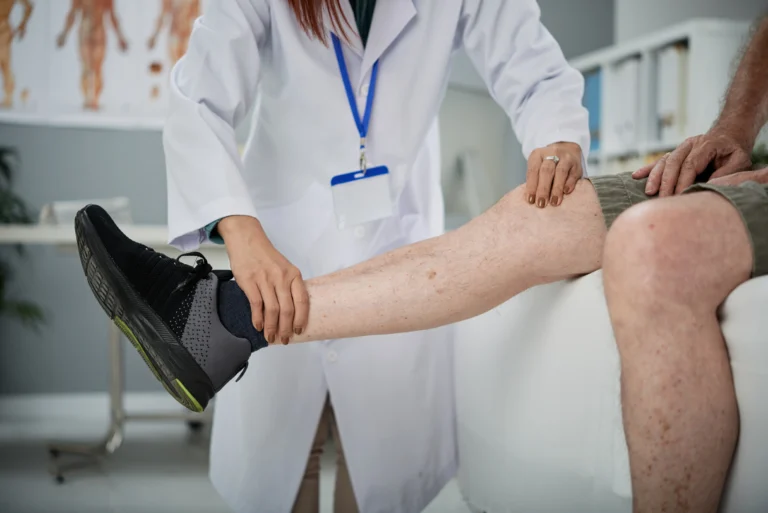
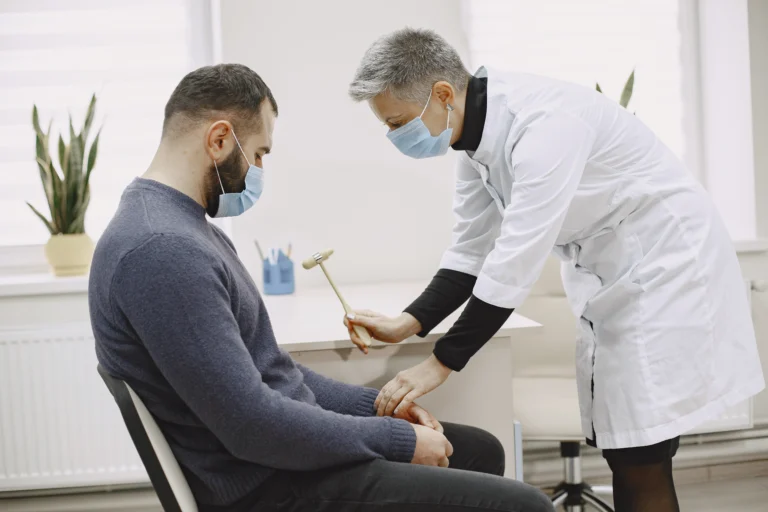
- A physical examination of the knee, assessing swelling, tenderness, alignment, and range of motion
- Assessment of walking pattern and knee movement, since how you move can reveal a lot about how the joint is functioning
- X-rays, to assess joint space narrowing, bone changes, and alignment
- Additional imaging, such as an MRI, when clinically required to assess soft tissue or cartilage in more detail
It’s worth noting that treatment decisions shouldn’t be based on X-ray findings alone. Two patients with similar X-rays can have very different levels of pain and function — which is why the physical examination and your reported symptoms matter just as much as the imaging.
Who May Benefit From Non-Surgical Knee Arthritis Treatment?
Non-surgical treatment tends to be a reasonable starting point for:
- Patients with early-stage knee arthritis
- Patients experiencing mild-to-moderate symptoms
- Patients whose pain and function improve with physiotherapy and lifestyle changes
- Patients who want to explore conservative treatment options before considering surgery
- Patients who, for medical or personal reasons, are not currently suitable candidates for surgery
- Patients seeking a comprehensive orthopedic assessment to understand their options
Every patient’s knee arthritis is different, and what works well for one person may not be the right fit for another. This is exactly why an individual assessment matters more than following a generic treatment checklist.
Why Choose Dr. Ranvijay Pathak for Knee Arthritis Treatment?
Dr. Ranvijay Pathak approaches knee arthritis treatment with a focus on individualized assessment rather than a standard protocol applied to every patient. Each treatment plan begins with a thorough evaluation of your symptoms, imaging, and functional limitations before any recommendations are made.
The approach centers on:
- A detailed orthopedic assessment before recommending any treatment path
- Individualized treatment planning based on the stage of arthritis and the patient’s specific needs
- A focus on preserving mobility and quality of life wherever clinically appropriate
- Exploring non-surgical treatment options when they are a suitable fit for the patient
- Evidence-informed decision-making, rather than a fixed, one-size-fits-all recommendation
- Clear patient education, so you understand your condition and your options before deciding on a course of treatment
If surgery does become necessary at any stage, that recommendation is made based on clinical findings and what’s genuinely in your best interest — not as a default first step.
Your Knee Arthritis Treatment Plan Should Be Individualized
There is no single treatment that works for every patient with knee arthritis. A responsible treatment pathway generally follows this structure:
Assessment → Diagnosis → Arthritis severity evaluation → Non-surgical treatment where appropriate → Monitoring → Advanced treatment if required → Surgical evaluation when necessary
Regular follow-up is an important part of this pathway. Arthritis can change over time, and a treatment plan that works well initially may need to be adjusted as symptoms evolve. Ongoing monitoring helps ensure that decisions — whether to continue conservative treatment or move toward surgical evaluation — are based on how your knee is actually responding, not guesswork.
If you’re looking for a knee arthritis specialist in Ghaziabad, this kind of structured, individualized approach is what to look for — someone willing to reassess and adjust rather than commit you to one path from the first visit.
Frequently Asked Questions About Knee Arthritis Treatment Without Surgery
1. Can knee arthritis be treated without surgery? Yes, in many cases — particularly early or moderate arthritis — non-surgical treatment such as physiotherapy, lifestyle changes, medication, and sometimes injections can help manage symptoms and improve function.
2. Can knee arthritis be cured without surgery? No treatment, surgical or non-surgical, currently cures arthritis by fully restoring damaged cartilage. Non-surgical treatment focuses on managing symptoms and improving function rather than reversing the underlying condition.
3. How can I avoid knee replacement surgery? Early diagnosis, consistent physiotherapy, appropriate lifestyle changes, and timely medical guidance may help some patients delay or avoid surgery. This depends on the individual’s stage of arthritis and how well they respond to treatment.
4. What is the best treatment for knee arthritis without surgery? There isn’t a single “best” treatment — most patients benefit from a combination of physiotherapy, activity modification, and, where appropriate, medication or injections, tailored to their specific condition.
5. Can PRP help with knee arthritis? PRP may be considered as part of advanced non-surgical treatment for some patients. Its suitability and expected benefit vary by individual, and it isn’t appropriate or effective for every stage of arthritis.
6. Is physiotherapy good for knee arthritis? Yes. Physiotherapy is often a central part of non-surgical treatment, helping strengthen supporting muscles, improve flexibility, and support overall knee function.
7. When does knee arthritis require surgery? Surgery is generally considered when arthritis is advanced, pain persists despite appropriate non-surgical treatment, and daily activities are significantly affected.
8. Can early knee arthritis be reversed? Existing cartilage damage cannot be reversed, but early treatment may help manage symptoms and potentially slow further progression in suitable patients.
9. How do I know if I need knee replacement? This is determined through a combination of clinical examination, imaging, symptom severity, and how much your daily life is affected — best assessed by an orthopedic specialist rather than self-diagnosed.
10. Can knee arthritis treatment help me walk without pain? For many patients with early or moderate arthritis, appropriate treatment can meaningfully reduce pain and improve walking ability, though results vary based on the individual’s condition.
Don’t Ignore Persistent Knee Pain
If knee pain is affecting how you walk, climb stairs, exercise, sleep, or go about your daily routine, it’s worth having it properly evaluated rather than working around it indefinitely. An orthopedic assessment can help identify what’s causing your symptoms and outline which treatment options — surgical or non-surgical — are genuinely appropriate for your situation.
Schedule a consultation with Dr. Ranvijay Pathak to discuss your knee pain and find out whether non-surgical knee arthritis treatment may be a suitable option for you.