
Shoulder Pain Treatment Near Crossings Republik: Causes, Symptoms & Best Treatment Options
Mr. Verma, a 48-year-old resident of Crossings Republik, used to play badminton with his son every Sunday morning. One day, reaching up for an overhead smash, he felt a sharp pinch in his shoulder. He assumed it was a pulled muscle and rested for a week. But the pain didn’t go away — it got worse. Soon, he couldn’t lift his arm to comb his hair, reaching for something on a high shelf became painful, and even sleeping on that side kept waking him up at night.
By the time he came to our clinic, what started as a “minor sports strain” had turned into a much bigger problem — a partial rotator cuff tear that had been aggravated by weeks of untreated movement and compensation.
Stories like Mr. Verma’s are more common than people realize. Shoulder pain is often brushed aside as something that will “heal on its own,” while the real cause quietly worsens underneath. At Dr. Ranvijay Orthopaedic Clinic, we regularly see patients from Crossings Republik, Vijay Nagar, Siddharth Vihar, and Noida Extension dealing with shoulder pain that has gone unaddressed far longer than it should have. This article walks you through why shoulder pain happens, the warning signs worth taking seriously, and the full range of treatment options available today, from simple physiotherapy to advanced shoulder replacement.
Why Shoulder Pain Happens
The shoulder is the most mobile joint in the human body, which is exactly what makes it vulnerable. Unlike the hip, which sits in a deep, stable socket, the shoulder joint is a shallow ball-and-socket structure held together largely by muscles, tendons, and ligaments rather than bone alone. That flexibility lets you raise your arm overhead, reach behind your back, and rotate your shoulder in almost every direction — but it also means the joint relies heavily on soft tissue that can wear down, tear, or become inflamed over time.
Repetitive overhead movement, poor posture from long hours at a desk, sudden injuries, and simple age-related wear can all place stress on these supporting structures. Once one part of the shoulder is compromised, the surrounding muscles often start compensating in ways that create further imbalance and pain.
Common Causes of Shoulder Pain
Rotator cuff injuries are among the most frequent causes we see, ranging from mild inflammation (tendinitis) to partial or complete tears, often triggered by repetitive lifting, sports, or a sudden awkward movement. Frozen shoulder, medically known as adhesive capsulitis, is another common condition, where the shoulder capsule gradually tightens and stiffens, making even simple movements like reaching for a seatbelt genuinely difficult. It tends to affect people between 40 and 60, and interestingly, is more common in people with diabetes.
Shoulder arthritis, caused by gradual cartilage wear within the joint, typically develops with age and shows up as a deep ache that worsens with activity. Impingement syndrome occurs when tendons get pinched between bones during overhead movement, common in people who do a lot of repetitive arm-raising activity, whether that’s swimming, painting, or certain job-related tasks. And dislocations or fractures from falls or accidents can cause immediate, severe shoulder pain that needs prompt attention.
Symptoms People Often Ignore
Shoulder pain rarely starts as an emergency. It usually begins as a mild ache after activity, easily dismissed as tiredness or a minor strain. Over time, patients notice they’ve unconsciously stopped reaching overhead the way they used to, or that lifting a bag of groceries with that arm feels harder than before.
A grinding or clicking sensation during shoulder movement is a subtle sign worth paying attention to, as is stiffness that’s worse in the morning and loosens up slightly through the day. Weakness while lifting or pushing, pain that disturbs sleep — particularly when lying on the affected side — and a gradual loss of range of motion, where you simply can’t raise your arm as high as you once could, are all signals that something structural may be developing rather than a passing strain.
When You Should See an Orthopedic Surgeon
If shoulder pain has lasted more than two to three weeks, or if it’s limiting your ability to lift, reach, sleep, or carry out daily tasks, it’s worth getting evaluated rather than waiting it out. This is especially true after any fall, sports injury, or sudden onset of severe pain, where early diagnosis can prevent a manageable injury from becoming a more complicated one.
Many patients from Crossings Republik and nearby Siddharth Vihar tell us they waited months, hoping rest alone would resolve things. Unfortunately, conditions like rotator cuff tears and frozen shoulder tend to worsen with prolonged inactivity rather than improve, making early consultation genuinely valuable.
How Shoulder Problems Are Diagnosed
Diagnosis starts with understanding your specific pain pattern — when it started, what movements trigger it, and how it’s affecting your daily routine — followed by a physical examination to check range of motion, strength, and stability. X-rays help identify arthritis, bone spurs, or fractures, while an MRI or ultrasound gives a detailed view of soft tissue structures like the rotator cuff tendons, useful when a tear or inflammation is suspected. Together, these help pinpoint the exact cause rather than treating shoulder pain as one generic problem.
Non-Surgical Treatment Options
The majority of shoulder pain cases respond well to non-surgical treatment, particularly when addressed early. Physiotherapy focused on strengthening the rotator cuff and improving shoulder mechanics is often the first and most effective step, especially for impingement, mild rotator cuff issues, and frozen shoulder. Anti-inflammatory medication helps manage pain and swelling during the initial phase, while activity modification — temporarily avoiding movements that aggravate the shoulder — gives inflamed tissue time to settle.
For more persistent pain, corticosteroid injections can reduce inflammation and provide meaningful relief, particularly useful for frozen shoulder and impingement syndrome. Regenerative therapy, such as PRP injections, has also become a valuable option for select rotator cuff and tendon injuries, supporting the body’s natural healing process without surgery. For many patients, a combination of these approaches resolves shoulder pain entirely within a few months.
When Shoulder Surgery or Replacement Becomes Necessary
Surgery becomes a consideration when non-surgical treatment doesn’t provide adequate relief, or when the underlying damage is significant enough that it won’t heal on its own — a complete rotator cuff tear, for instance, often needs surgical repair rather than just physiotherapy. Persistent pain despite months of conservative treatment, ongoing weakness that limits basic arm function, and X-ray evidence of advanced shoulder arthritis are all signs that surgical evaluation is worthwhile.
Shoulder replacement specifically is considered for advanced arthritis or severe joint damage where the cartilage has worn away significantly, causing constant pain and stiffness that non-surgical treatment can no longer manage. As with any joint replacement, this decision follows a thorough evaluation rather than being a default next step.
What Happens During Shoulder Treatment or Surgery
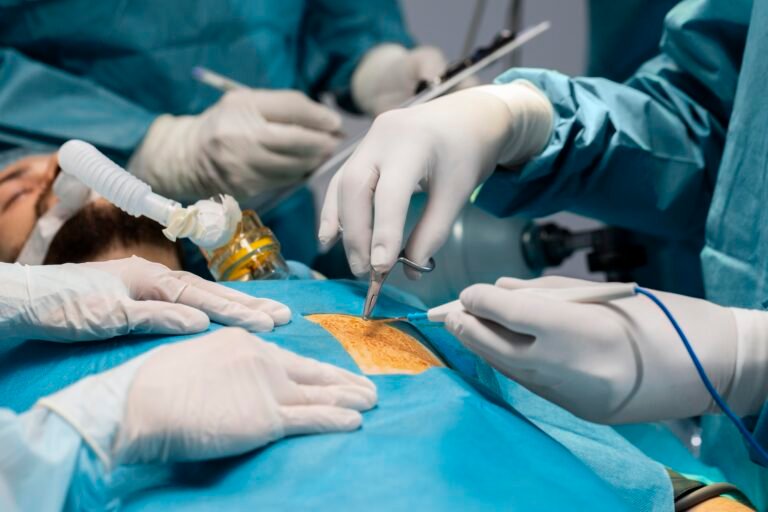
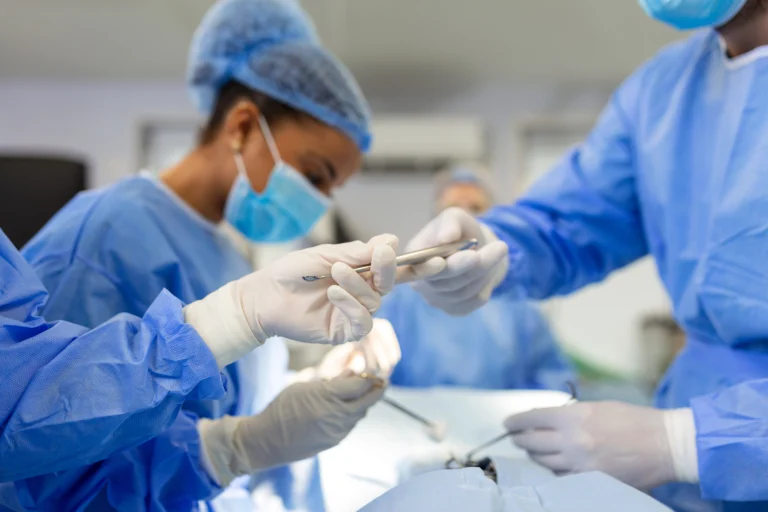
For rotator cuff tears, arthroscopic repair is commonly used — a minimally invasive procedure using small incisions and a camera to reattach torn tendon to bone, typically resulting in a shorter recovery than open surgery. For advanced arthritis, shoulder replacement involves replacing the damaged joint surfaces with smooth prosthetic components, restoring movement and significantly reducing pain. Depending on the extent of damage, this may be a total shoulder replacement or a reverse shoulder replacement, the latter often used when the rotator cuff itself is too damaged to support a standard implant. Most shoulder procedures are performed under regional or general anesthesia, with patients typically going home within a day or two.
Recovery Timeline
Recovery varies depending on whether treatment was non-surgical, arthroscopic, or a full replacement, but general patterns hold true. In the first two weeks, the arm is often supported in a sling, with gentle passive movement guided by a physiotherapist to prevent stiffness. Between one and two months, active-assisted exercises begin, gradually building range of motion and light strength. By three months, most patients regain a good portion of their shoulder’s natural movement and can resume many daily activities without significant discomfort. By six months, the majority of patients report near-complete recovery of function, with continued strength gains possible for several months beyond that, especially after more involved procedures like shoulder replacement.
Common Myths vs. Facts
Many people believe shoulder pain always resolves with rest alone — in reality, conditions like frozen shoulder and rotator cuff tears often worsen without proper treatment, since prolonged inactivity can increase stiffness rather than reduce it. Some assume shoulder surgery always requires a long, difficult recovery, but modern arthroscopic techniques have made recovery considerably faster and less invasive than older surgical approaches. Another common misconception is that shoulder replacement is rare or experimental — it’s actually a well-established procedure with strong long-term outcomes for appropriately selected patients. And many people wait for pain to become unbearable before seeking help, when in fact, earlier evaluation almost always leads to simpler, less invasive treatment.
Tips to Protect Your Shoulder Joint
Maintaining good posture, particularly during long hours at a desk, reduces unnecessary strain on the shoulder’s supporting muscles. Warming up properly before sports or repetitive overhead activity helps prevent sudden strain injuries. Strengthening the muscles around the shoulder blade and rotator cuff through targeted exercises improves overall joint stability. And addressing minor shoulder discomfort early, rather than pushing through it, prevents a manageable issue from developing into a more serious injury.
Why Early Treatment Matters
Shoulder conditions, more than many other joint problems, tend to compound when left untreated. A minor rotator cuff strain that goes unaddressed can develop into a full tear. Early-stage frozen shoulder, if caught in time, often responds well to physiotherapy, whereas advanced frozen shoulder can take much longer to resolve and sometimes requires more intensive intervention. Seeking treatment early doesn’t just speed up recovery — it often changes the entire treatment path from surgical to non-surgical.
Why Patients From Crossings Republik Choose Dr. Ranvijay Orthopaedic Clinic
Being conveniently located for residents of Crossings Republik, Vijay Nagar, Siddharth Vihar, and Noida Extension, our clinic offers patients continuity of care without the hassle of long commutes for consultations, physiotherapy sessions, or post-treatment follow-ups. Dr. Ranvijay Pathak brings focused expertise in shoulder replacement, arthroscopy, sports injury treatment, and regenerative therapy, taking time to understand each patient’s specific activity levels and goals before recommending a treatment path. Patients consistently appreciate a diagnosis-first approach, where surgery is discussed only when it’s genuinely the right option.
Take the First Step Toward Pain-Free Movement
If shoulder pain has started limiting the things you used to do without thinking — reaching overhead, sleeping comfortably, playing sport, or simply lifting something without wincing — it’s worth having it properly evaluated. Most shoulder conditions have effective treatment options, and starting early almost always means a simpler path to recovery.
Book a consultation with Dr. Ranvijay Orthopaedic Clinic to get a clear diagnosis of your shoulder pain and understand every treatment option available, from physiotherapy to advanced shoulder replacement.
Frequently Asked Questions
1. What are the most common causes of shoulder pain?
The most common causes include rotator cuff injuries, ranging from mild inflammation to partial or complete tears, and frozen shoulder, where the joint capsule stiffens and restricts movement. Shoulder arthritis, caused by gradual cartilage wear, typically develops with age and causes a deep, activity-related ache. Impingement syndrome, where tendons get pinched during overhead movement, is common among people with repetitive arm-raising activities like sports or certain jobs. Dislocations and fractures from falls or accidents can also cause sudden, severe shoulder pain. Identifying the exact cause requires a proper examination and sometimes imaging, since several of these conditions can present with overlapping symptoms.
2. How do I know if my shoulder pain needs medical attention?
If your shoulder pain lasts more than two to three weeks, disturbs your sleep, or limits your ability to lift, reach, or carry out daily tasks, it’s worth seeing an orthopedic specialist. Sudden severe pain following a fall or sports injury, visible swelling or deformity, and noticeable weakness while lifting are all signs that shouldn’t be ignored. Conditions like rotator cuff tears and frozen shoulder often worsen with prolonged inactivity, so waiting it out isn’t usually the safest approach. A proper evaluation early on typically means simpler, faster treatment compared to addressing the same issue months later.
3. Can shoulder pain be treated without surgery?
Yes, most shoulder pain cases respond well to non-surgical treatment, especially when caught early. Physiotherapy focused on strengthening the rotator cuff and improving shoulder mechanics is often the first and most effective approach for conditions like impingement, mild rotator cuff issues, and frozen shoulder. Anti-inflammatory medication and temporary activity modification help manage pain during the initial phase. For more persistent cases, corticosteroid injections or regenerative PRP therapy can provide meaningful relief without surgery. Surgery is generally considered only when these options don’t provide adequate improvement or when the underlying damage, such as a complete rotator cuff tear, requires structural repair.
4. What is frozen shoulder, and how is it treated?
Frozen shoulder, medically known as adhesive capsulitis, occurs when the shoulder capsule gradually thickens and tightens, making movement increasingly difficult and painful. It typically develops in stages, starting with pain, progressing to significant stiffness, and eventually easing gradually over time, a process that can take several months to over a year if untreated. Treatment usually involves physiotherapy to maintain and improve range of motion, along with anti-inflammatory medication or corticosteroid injections to manage pain during the stiffer phases. Early treatment tends to shorten the overall course of the condition, which is why timely evaluation matters.
5. When is shoulder replacement necessary?
Shoulder replacement is generally considered when advanced arthritis or severe joint damage causes constant pain and significant stiffness that non-surgical treatment can no longer manage effectively. Signs that surgical evaluation may be needed include persistent pain despite months of physiotherapy and medication, ongoing weakness that limits basic arm function, and X-ray evidence of significant cartilage loss within the joint. Depending on the condition of the surrounding rotator cuff tendons, this may involve a total shoulder replacement or a reverse shoulder replacement. As with any joint replacement decision, this follows a thorough evaluation of your specific shoulder condition rather than being an automatic next step.
6. How long does recovery take after shoulder surgery?
Recovery timelines vary depending on the specific procedure, but general patterns apply. In the first two weeks, the arm is often supported in a sling with gentle guided movement to prevent stiffness. Between one and two months, active-assisted exercises begin to rebuild range of motion and light strength. By three months, most patients regain a good portion of natural shoulder movement and resume many daily activities comfortably. By six months, the majority of patients report near-complete functional recovery, with continued strength improvements possible for several months following more involved procedures like shoulder replacement.
7. Can rotator cuff tears heal without surgery?
Smaller or partial rotator cuff tears can often improve significantly with physiotherapy, anti-inflammatory treatment, and activity modification, particularly when addressed early. However, complete tears, where the tendon is fully separated from the bone, generally don’t heal on their own and typically require surgical repair to restore full function and strength. The right approach depends on the size and location of the tear, your activity level, and how long the injury has been present, which is why an accurate diagnosis through examination and imaging is an important first step before deciding on treatment.
8. Which doctor should I consult for shoulder pain in Crossings Republik?
For shoulder pain, it’s best to consult an orthopedic surgeon experienced in shoulder conditions, sports injuries, and joint replacement, rather than relying solely on general pain management. A specialist can accurately diagnose the underlying cause through examination and appropriate imaging, then guide you through the full range of treatment options, from physiotherapy to surgical repair when necessary. Dr. Ranvijay Pathak, an experienced orthopedic surgeon serving patients across Crossings Republik, Vijay Nagar, and Siddharth Vihar, offers thorough shoulder evaluations focused on your specific condition and daily activity needs before recommending a treatment path.