Why Does Knee Arthritis Hurt More During Winter? Tips to Manage Seasonal Joint Pain
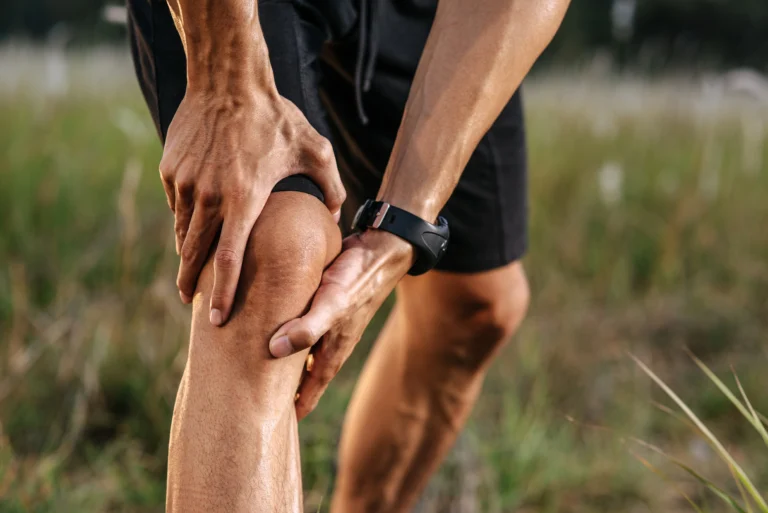
Many people with knee arthritis notice that their symptoms seem to worsen when temperatures drop. Stiffness, aching joints, reduced mobility, and increased discomfort are common complaints during the winter months. While researchers continue to study the exact connection between weather and joint pain, there is no doubt that colder conditions can make daily activities more challenging for those living with arthritis.
If your knees feel more painful during winter, you’re not alone. Understanding why this happens and learning effective management strategies can help you stay active and comfortable throughout the season.
Understanding Knee Arthritis
Knee arthritis occurs when the protective cartilage within the knee joint begins to wear down. As the cartilage deteriorates, bones may rub against each other, causing pain, inflammation, swelling, and stiffness.
The most common types of knee arthritis include:
- Osteoarthritis
- Rheumatoid arthritis
- Post-traumatic arthritis
Symptoms often develop gradually and may include:
- Knee pain during movement
- Joint stiffness
- Swelling around the knee
- Reduced range of motion
- Difficulty walking or climbing stairs
- Grinding or clicking sensations
While arthritis symptoms can occur year-round, many patients report increased discomfort during colder months.
Why Does Knee Arthritis Hurt More During Winter?
1. Cold Temperatures Can Increase Joint Stiffness
Cold weather can cause muscles, tendons, and ligaments surrounding the knee joint to become tighter and less flexible. This reduced flexibility may make joints feel stiffer and more painful.
When tissues around the knee contract in response to cold temperatures, movement can become more difficult and uncomfortable.
2. Changes in Barometric Pressure
One of the most widely discussed theories involves barometric pressure, which refers to the weight of the air around us.
During winter storms or weather changes, barometric pressure often drops. Some experts believe this decrease may allow tissues surrounding joints to expand slightly, increasing pressure on already inflamed areas and causing pain.
Although research findings vary, many arthritis sufferers consistently report increased symptoms before weather changes.
3. Reduced Physical Activity
People tend to be less active during winter. Shorter days, colder temperatures, and icy conditions often result in spending more time indoors.
Unfortunately, inactivity can worsen arthritis symptoms because:
- Muscles become weaker
- Joint flexibility decreases
- Stiffness increases
- Weight gain may occur
Regular movement helps lubricate joints and maintain strength that supports the knee.
4. Increased Muscle Tension
Cold weather often causes people to tense their muscles unconsciously. This increased tension can place additional stress on the knee joint and surrounding structures.
Over time, muscle tightness may contribute to discomfort and reduced mobility.
5. Seasonal Weight Gain
Many individuals gain weight during winter due to decreased activity levels and holiday eating habits.
Even a small amount of extra weight can significantly increase pressure on the knees. Studies have shown that every additional pound of body weight places several pounds of added stress on the knee joints during walking.
6. Reduced Sunlight and Vitamin D Levels
Winter months often bring reduced sunlight exposure, which can lower Vitamin D levels.
Vitamin D plays an important role in:
- Bone health
- Muscle function
- Immune system regulation
Low Vitamin D levels may contribute to musculoskeletal discomfort and worsen arthritis symptoms in some individuals.
Common Winter Arthritis Symptoms
During colder months, patients may experience:
- Increased knee pain
- Morning stiffness
- Swelling around the joint
- Difficulty standing after prolonged sitting
- Reduced flexibility
- Increased fatigue
- Joint tenderness
Recognizing these symptoms early can help you take steps to manage them effectively.
Tips to Manage Seasonal Knee Arthritis Pain
Stay Physically Active
Regular exercise remains one of the most effective ways to manage arthritis symptoms.
Low-impact activities can help:
- Improve flexibility
- Strengthen supporting muscles
- Reduce stiffness
- Maintain joint function
Recommended exercises include:
- Walking
- Swimming
- Stationary cycling
- Yoga
- Gentle stretching
- Water aerobics
Aim for consistent movement throughout the week, even if outdoor conditions limit your activities.
Keep Your Knees Warm
Heat can help relax muscles and improve circulation around the joint.
Consider:
- Wearing thermal clothing
- Using knee sleeves
- Applying heating pads
- Taking warm showers
- Using electric blankets safely
Keeping joints warm may reduce stiffness and improve comfort.
Maintain a Healthy Weight
Weight management is one of the most important factors in controlling knee arthritis symptoms.
Losing excess weight can:
- Reduce joint stress
- Improve mobility
- Decrease inflammation
- Delay arthritis progression
Combining healthy nutrition with regular activity can significantly benefit knee health.
Stretch Daily
Gentle stretching can help maintain flexibility and reduce stiffness.
Focus on:
- Hamstring stretches
- Quadriceps stretches
- Calf stretches
- Hip mobility exercises
Perform stretches regularly, especially in the morning when stiffness tends to be greatest.
Follow an Anti-Inflammatory Diet
Certain foods may help reduce inflammation throughout the body.
Include:
- Fatty fish
- Leafy green vegetables
- Berries
- Nuts
- Olive oil
- Whole grains
Try to limit:
- Processed foods
- Sugary beverages
- Excessive alcohol
- Highly refined carbohydrates
A balanced diet can support overall joint health.
Stay Hydrated
Many people drink less water during winter because they feel less thirsty.
However, hydration remains important for:
- Joint lubrication
- Muscle function
- Overall health
Aim to drink water consistently throughout the day.
Consider Physical Therapy
A physical therapist can create a customized exercise program designed specifically for your condition.
Physical therapy may help:
- Improve knee stability
- Increase strength
- Enhance flexibility
- Reduce pain
- Improve daily function
Many patients experience substantial improvement through targeted rehabilitation programs.
Use Assistive Devices When Needed
If knee pain affects your mobility, assistive devices may help reduce strain on the joint.
Options include:
- Knee braces
- Walking canes
- Shoe inserts
- Supportive footwear
Using appropriate support can improve comfort and confidence during daily activities.
When to See a Specialist
While occasional increases in pain may occur during winter, certain symptoms should not be ignored.
Consult an orthopedic specialist if you experience:
- Persistent knee pain
- Significant swelling
- Joint instability
- Difficulty walking
- Pain that interferes with sleep
- Symptoms that worsen despite treatment
Early evaluation can help determine the most appropriate treatment options and prevent further joint damage.
Treatment Options for Knee Arthritis
Depending on the severity of your arthritis, treatment may include:
Non-Surgical Treatments
- Physical therapy
- Activity modification
- Weight management
- Anti-inflammatory medications
- Corticosteroid injections
- Hyaluronic acid injections
- Bracing and supportive devices
Surgical Treatments
For advanced arthritis that significantly affects quality of life, surgical options may be considered:
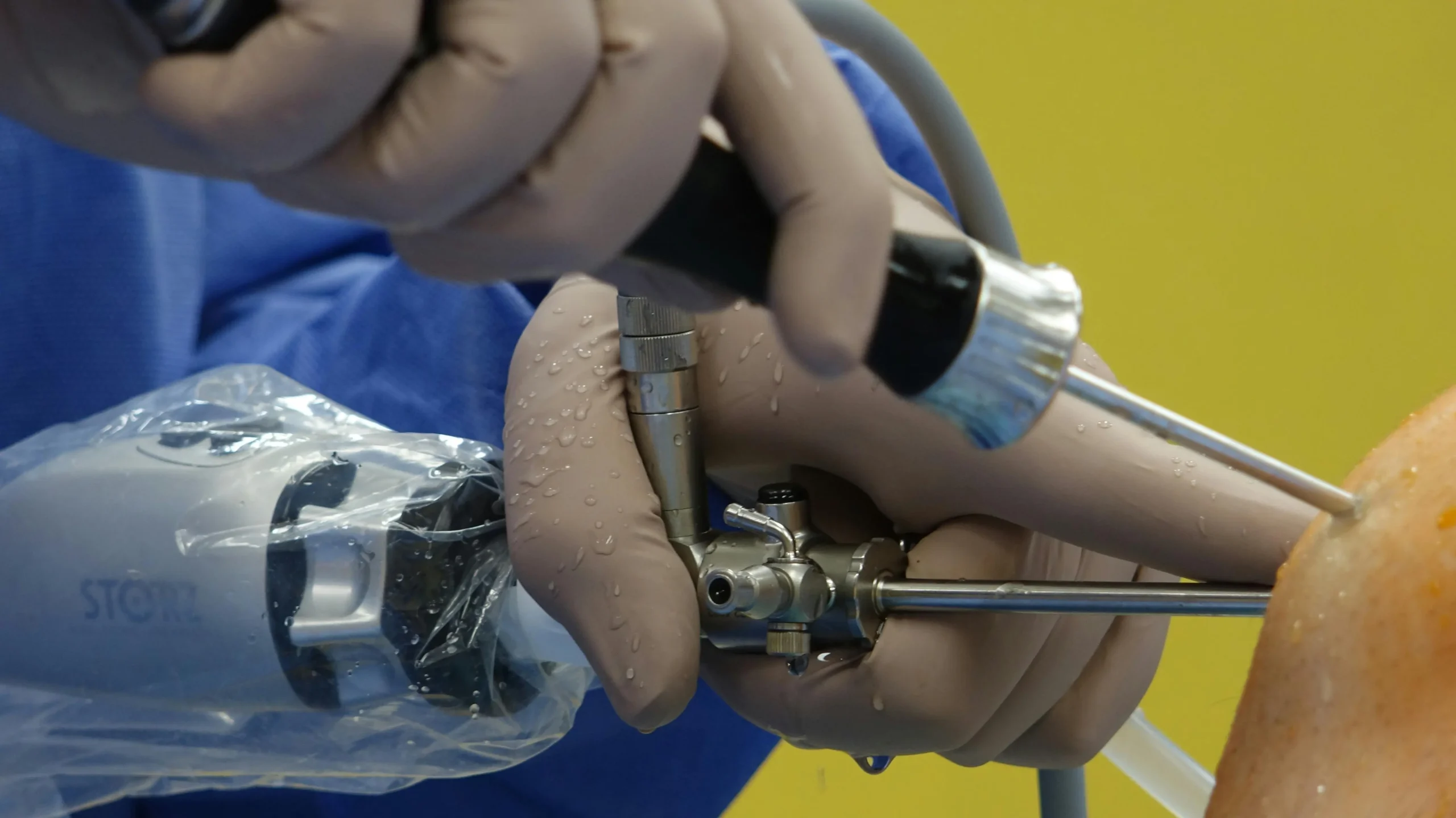
- Arthroscopic procedures
- Partial knee replacement
- Total knee replacement
- Robotic-assisted knee replacement
A specialist can recommend the best treatment plan based on your symptoms, imaging results, and lifestyle goals.
Conclusion
Winter can be particularly challenging for individuals living with knee arthritis. Cold temperatures, reduced activity levels, changes in barometric pressure, and increased muscle stiffness can all contribute to greater discomfort during the colder months.
The good news is that proactive management strategies—including regular exercise, maintaining a healthy weight, keeping joints warm, and following a healthy lifestyle—can significantly reduce seasonal symptoms and help you stay active year-round.
If knee pain continues to interfere with your daily activities, seeking professional evaluation can help identify effective treatment options and improve your long-term joint health.