Knee Pain While Walking or Climbing Stairs: Causes, Symptoms & Treatment Options
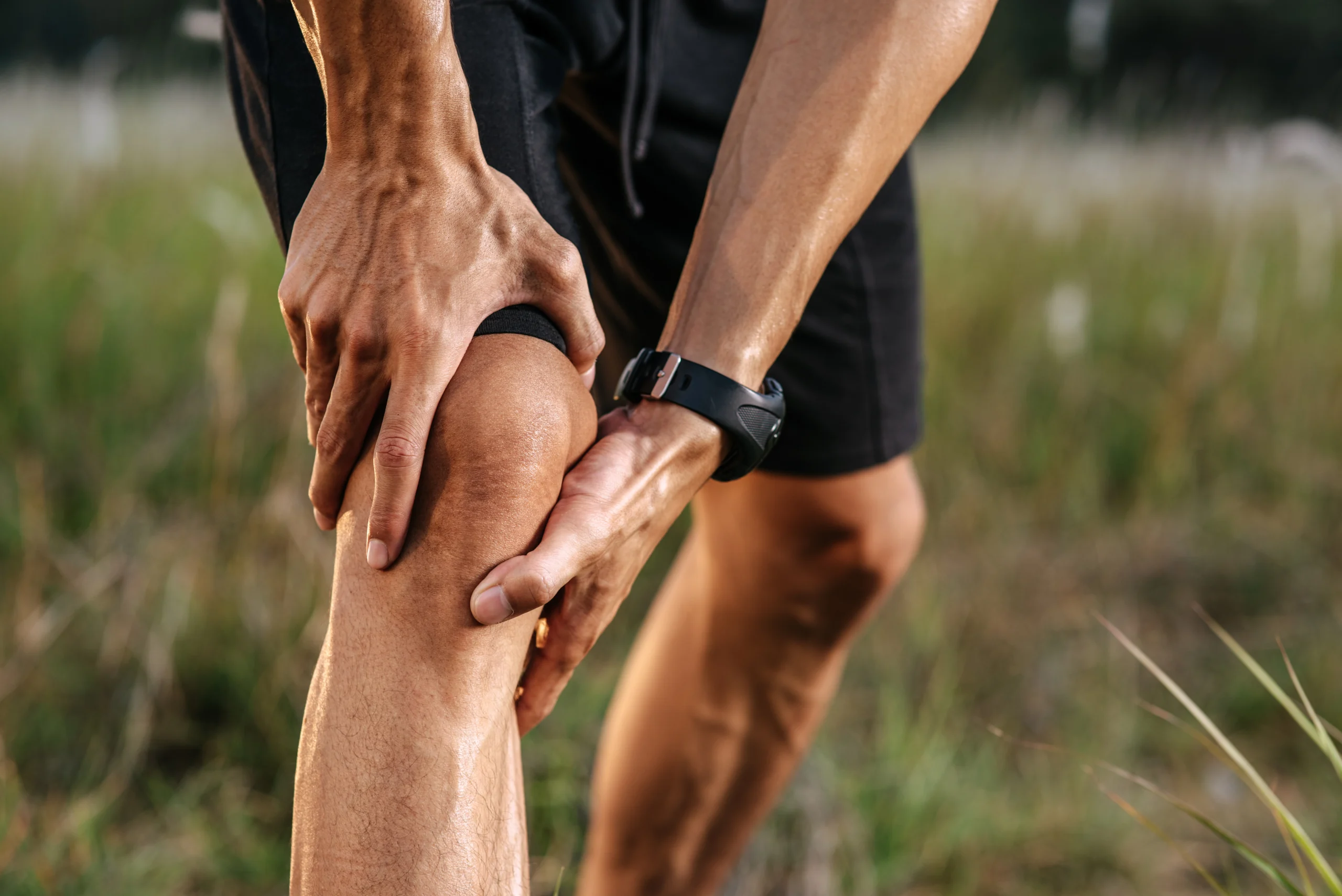
Knee pain is a common problem that can affect people of different ages. For some, it may appear as mild discomfort after a long walk or workout, while others may experience persistent pain while walking, climbing stairs, standing, or bending the knee. When knee pain starts interfering with everyday activities, it is important to understand its possible cause and seek appropriate medical guidance.
If you are experiencing ongoing knee discomfort and looking for knee pain treatment in Noida, consulting an experienced orthopaedic specialist can help determine the underlying problem and the most appropriate treatment approach.
Dr. Ranvijay Pathak provides orthopaedic consultation and treatment for a range of musculoskeletal and joint-related conditions. A proper clinical evaluation can help identify whether your knee pain is related to an injury, joint degeneration, muscle weakness, ligament problems, or another condition.
Why Does Knee Pain Occur While Walking or Climbing Stairs?
Walking and climbing stairs place different levels of stress on the knee joint. While climbing stairs, the knee has to support and move a significant portion of your body weight. If there is inflammation, cartilage damage, weakness around the joint, or another underlying issue, these activities may make the pain more noticeable.
Some common causes include:
1. Osteoarthritis
Osteoarthritis is a degenerative joint condition in which the cartilage that cushions the ends of bones gradually wears down. It can cause knee pain, stiffness, swelling, and difficulty with activities such as walking, squatting, or climbing stairs.
The risk can increase with age, previous joint injuries, excess body weight, and certain physical stresses on the joint.
2. Ligament or Meniscus Injuries
Sports injuries, sudden twisting movements, falls, or accidents can damage structures inside the knee. An injury to a ligament or meniscus may cause pain, swelling, instability, clicking, or difficulty putting weight on the affected leg.
In some cases, symptoms may appear immediately after an injury, while in others they can develop gradually.
3. Patellofemoral Pain
Pain around or behind the kneecap can sometimes become more noticeable when climbing stairs, running, squatting, or sitting for extended periods. This is commonly associated with problems involving the movement and loading of the kneecap.
4. Muscle Weakness or Imbalance
The muscles around the hip and knee help support and stabilize the joint. Weakness or imbalance in these muscles may affect knee movement and contribute to discomfort during physical activities.
5. Previous Injuries
An old knee injury can sometimes contribute to ongoing or recurring pain. Previous ligament, cartilage, or meniscus injuries may affect the mechanics of the joint and increase the risk of future problems.
Symptoms That Should Not Be Ignored
Knee pain does not always indicate a serious condition, but persistent or worsening symptoms deserve medical attention.
You should consider consulting a doctor for knee pain in Noida if you experience:
- Persistent or recurring knee pain
- Pain that gets worse while walking or climbing stairs
- Swelling around the knee
- Knee stiffness
- Difficulty bending or straightening the knee
- Clicking or unusual sounds accompanied by pain
- A feeling that the knee may give way
- Difficulty putting weight on the leg
- Pain following an accident or sports injury
- Symptoms that continue despite rest
A specialist can assess your symptoms and determine whether further investigation is required.
How Is Knee Pain Diagnosed?
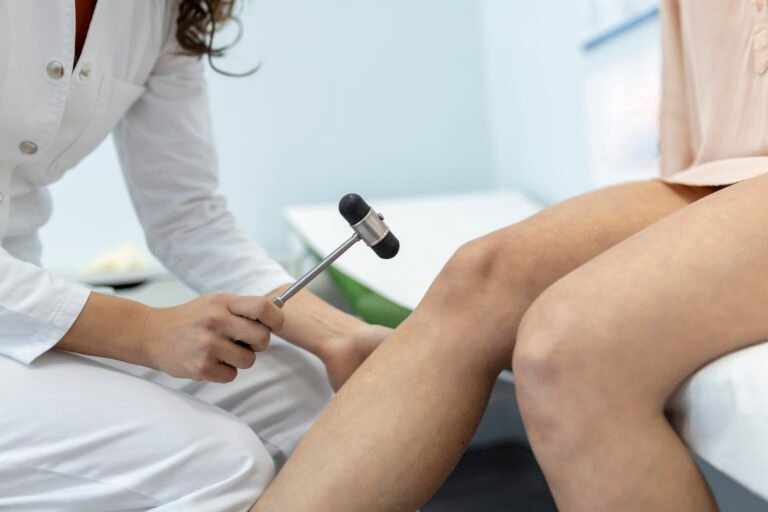
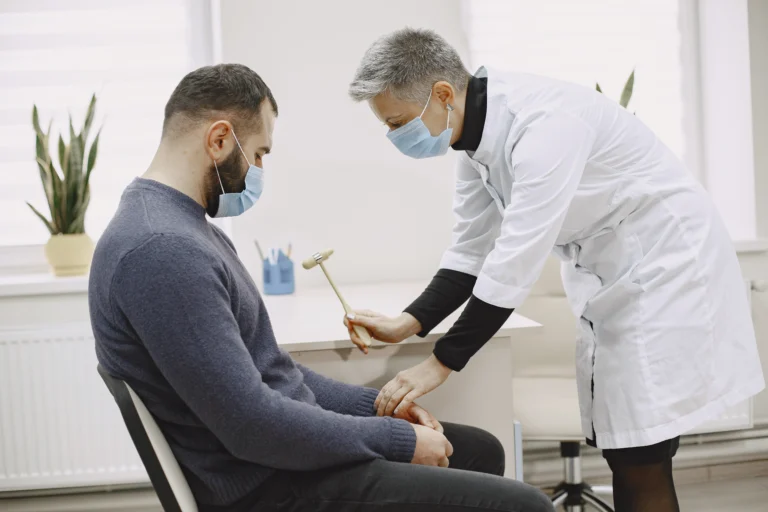
The first step in managing knee pain is understanding its cause. During an orthopaedic consultation, the doctor may ask about your symptoms, previous injuries, activity level, medical history, and when the pain occurs.
A physical examination can help assess:
- Knee movement
- Tenderness
- Swelling
- Joint stability
- Muscle strength
- Walking pattern
- Pain during specific movements
Depending on the symptoms and examination findings, imaging tests such as an X-ray, ultrasound, CT scan, or MRI may sometimes be recommended. The appropriate investigation depends on the suspected condition.
Knee Pain Treatment in Noida
Treatment depends on the cause, severity, duration, age, activity level, and overall condition of the patient. There is no single treatment that is appropriate for every type of knee pain.
Depending on the diagnosis, treatment may include:
Rest and Activity Modification
If pain is related to overuse or a minor injury, temporarily reducing activities that aggravate the symptoms may help. This does not necessarily mean complete inactivity. A doctor can guide you regarding safe levels of movement.
Physiotherapy and Exercises
Specific exercises may help improve flexibility, muscle strength, balance, and joint function. Physiotherapy programs are generally selected according to the individual’s condition.
Strengthening the muscles around the knee and hip can be an important part of rehabilitation for several knee conditions.
Medication
Depending on the cause of pain, a doctor may recommend appropriate medication to manage pain or inflammation. Medicines should be taken according to professional medical advice rather than self-medicated for prolonged periods.
Injections
For selected patients and specific conditions, an orthopaedic specialist may consider an injection-based treatment. Whether an injection is appropriate depends on the diagnosis and individual circumstances.
Surgical Treatment
Some knee conditions may require surgery, particularly when there is significant structural damage, certain ligament or meniscus injuries, advanced joint degeneration, or when appropriate non-surgical treatment has not provided sufficient relief.
The decision for surgery should be based on clinical evaluation, imaging when required, symptoms, functional limitations, and the patient’s individual circumstances.
Knee Pain Treatment Without Surgery in Noida
Many people searching for knee pain treatment without surgery in Noida want to know whether their condition can be managed conservatively.
In appropriate cases, non-surgical management may include activity modification, physiotherapy, strengthening exercises, weight management where relevant, and medication prescribed by a doctor.
However, avoiding surgery should not be the only goal. The priority should be identifying the actual cause of the knee problem and choosing a treatment plan that is medically appropriate.
If you have persistent knee pain, an orthopaedic evaluation can help determine whether conservative treatment is suitable for your condition.
Treatment for Knee Pain While Climbing Stairs
If your main complaint is pain while going up or down stairs, the underlying cause should be evaluated instead of simply treating the symptom.
A treatment for knee pain while climbing stairs in Noida may involve physiotherapy, strengthening exercises, activity modification, medication, or other treatment depending on the diagnosis.
Until you receive appropriate medical guidance, you may consider avoiding activities that consistently trigger significant pain. However, prolonged inactivity may not be beneficial for every knee condition.
If stair-related pain continues or progressively worsens, consulting an orthopaedic specialist can help identify the reason behind the symptoms.
When Should You Visit a Knee Specialist?
Choosing to consult a knee specialist in Noida can be particularly useful when knee pain is persistent, recurrent, or affecting your daily activities.
You should consider an orthopaedic consultation if:
- Your pain has continued for several weeks.
- You are having difficulty walking normally.
- You experience repeated swelling.
- Your knee feels unstable.
- You cannot fully bend or straighten your knee.
- Pain is affecting your sleep or everyday activities.
- Your symptoms began after an injury.
- Conservative measures have not improved your symptoms.
Early evaluation may help identify the problem and prevent you from continuing activities that could aggravate certain injuries.
Finding an Orthopaedic Clinic in Noida
When choosing an orthopaedic clinic in Noida, consider factors such as the doctor’s experience, the clinic’s diagnostic facilities, the type of orthopaedic conditions treated, and whether the treatment approach is based on an appropriate clinical assessment.
Dr. Ranvijay Pathak offers orthopaedic consultation for patients experiencing joint, bone, muscle, ligament, and other musculoskeletal concerns. Patients with knee pain can undergo an evaluation to understand the possible cause of their symptoms and discuss suitable treatment options.
Why Consult Dr. Ranvijay Pathak for Knee Problems?
For people searching for the best orthopaedic doctor in Noida, it is important to focus on finding a qualified specialist who evaluates the individual condition rather than relying only on generic treatment advice.
Dr. Ranvijay Pathak provides orthopaedic care with an approach focused on clinical assessment and condition-specific treatment. Whether your knee pain is associated with an injury, joint degeneration, muscle weakness, or another orthopaedic condition, an appropriate evaluation is an important first step.
Treatment recommendations can vary significantly from one patient to another. What works for one type of knee problem may not be appropriate for another.
Frequently Asked Questions
Is knee pain while climbing stairs always a sign of arthritis?
No. Knee pain while climbing stairs can have several possible causes, including patellofemoral pain, muscle weakness, previous injuries, ligament or meniscus problems, and osteoarthritis. A clinical evaluation is needed to identify the cause.
Can knee pain be treated without surgery?
Some knee conditions can be managed without surgery through approaches such as physiotherapy, exercises, activity modification, and prescribed medication. However, treatment depends on the underlying condition and its severity.
When should I see a knee specialist?
Consider seeing a knee specialist when pain persists, keeps returning, limits your movement, causes swelling or instability, or follows an injury.
Can exercise make knee pain better?
Appropriate strengthening and mobility exercises can be beneficial for some knee conditions. However, exercises should be selected according to the individual’s diagnosis and physical condition. Exercises that significantly increase pain should not simply be continued without professional guidance.
Where can I get knee pain treatment in Noida?
Patients looking for knee pain treatment in Noida can consult an orthopaedic specialist such as Dr. Ranvijay Pathak for an evaluation. The appropriate treatment can then be determined based on the symptoms, examination, and any required investigations.
Conclusion
Knee pain while walking or climbing stairs can result from several different conditions, ranging from muscle weakness and overuse to injuries and degenerative joint problems. Identifying the underlying cause is important because treatment varies according to the condition.
If knee pain is persistent or interfering with your daily activities, consulting an orthopaedic specialist can help you understand the cause and available treatment options. For patients seeking a knee specialist in Noida, Dr. Ranvijay Pathak provides orthopaedic consultation and condition-specific care.
Do not ignore persistent knee pain or rely on self-treatment for prolonged periods. A timely orthopaedic evaluation can help you understand your condition and make informed decisions about your treatment.