Osteoporosis Diagnosis and Advanced Treatment Plans
Osteoporosis is a common bone condition in which bones gradually become weaker, less dense, and more vulnerable to fractures. Because bone loss often develops silently, many people do not realize they have osteoporosis until they experience a fracture after a minor fall or injury.
The good news is that early osteoporosis diagnosis and appropriate treatment can help reduce the risk of fractures and protect long-term bone health. Modern osteoporosis management involves more than simply taking calcium supplements. A comprehensive treatment plan may include bone density assessment, nutritional support, exercise, fall prevention, lifestyle changes, and medications when medically appropriate.
If you are experiencing concerns about weak bones or are at increased risk of osteoporosis, consulting an experienced orthopaedic doctor in Indirapuram, Ghaziabad, Noida or Delhi-NCR can help you understand your bone health and available treatment options.
What Is Osteoporosis?
Osteoporosis literally means “porous bone.” Healthy bones are continuously broken down and rebuilt as part of the body’s natural bone-remodelling process. With osteoporosis, bone loss can occur faster than new bone formation, causing bones to become weaker and more fragile.
Osteoporosis can affect both men and women, although the risk generally increases with age. Women may have an increased risk after menopause because declining estrogen levels can accelerate bone loss.
The condition commonly affects the:
- Hip
- Spine
- Wrist
- Forearm
- Other bones vulnerable to fractures
One of the biggest challenges with osteoporosis is that it may not cause noticeable symptoms during its early stages. A person can have significant bone loss without experiencing daily pain.
A fracture may therefore be the first sign that bone strength has significantly decreased.
Who Is at Risk of Osteoporosis?
Several factors can increase the risk of developing osteoporosis. These include:
- Increasing age
- Menopause
- Family history of osteoporosis or hip fractures
- Low body weight
- Previous fractures
- Lack of physical activity
- Smoking
- Excessive alcohol consumption
- Low calcium or vitamin D intake
- Certain long-term medications, particularly corticosteroids
- Certain medical conditions that affect bone metabolism
Not everyone with these risk factors will develop osteoporosis. However, if you have multiple risk factors, discussing osteoporosis screening with an orthopaedic specialist can be an important step.
What Are the Symptoms of Osteoporosis?
Osteoporosis is often called a “silent disease” because bone loss can occur without obvious symptoms.
However, advanced osteoporosis may eventually be associated with:
- Fractures after minor falls or injuries
- Persistent back pain
- Loss of height
- A stooped or hunched posture
- Reduced mobility
- Difficulty performing daily activities after fractures
A spinal compression fracture, for example, may cause sudden or persistent back pain and changes in posture.
If you experience a fracture after a relatively minor injury, it is important not to treat the fracture as an isolated event. It may be necessary to investigate whether reduced bone density contributed to the injury.
How Is Osteoporosis Diagnosed?
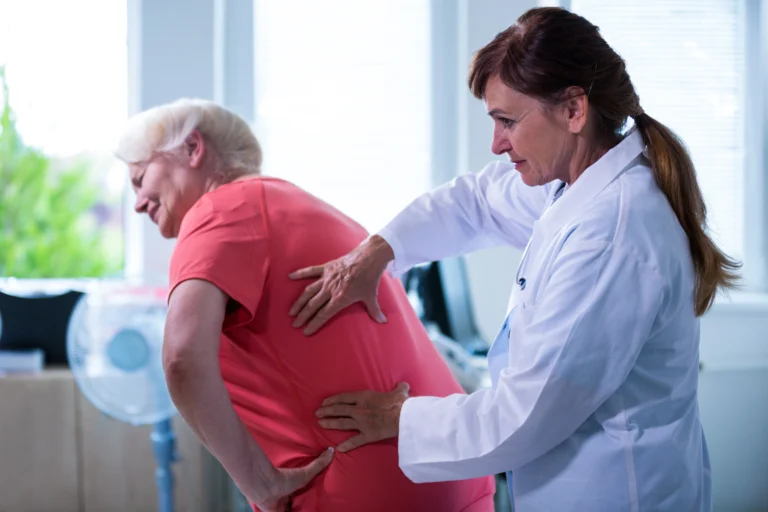
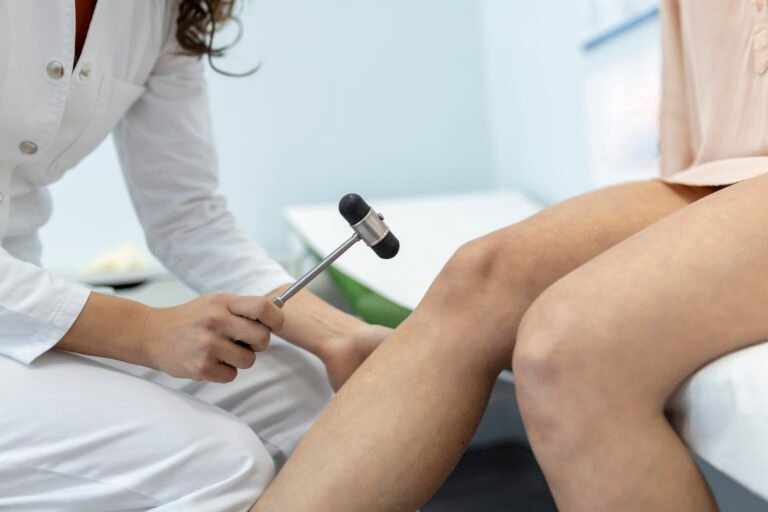
A proper diagnosis begins with a detailed medical history and physical examination. Your doctor may ask about previous fractures, medications, family history, nutrition, physical activity and other factors that can influence bone health.
Bone Mineral Density Test
One of the most important investigations for osteoporosis is a bone mineral density (BMD) test.
The most commonly used method is a DXA or DEXA scan, which measures bone mineral density, particularly at sites such as the hip and spine. DXA is a quick, non-invasive test and can help identify low bone density, assess fracture risk and monitor response to treatment.
Depending on your age, symptoms and risk factors, your doctor may recommend a bone density test.
A DXA scan should not be interpreted in isolation. Your doctor considers the results alongside your age, medical history, previous fractures, medications and other risk factors before developing an osteoporosis treatment plan.
Why Early Osteoporosis Diagnosis Matters
Many people only become concerned about their bones after suffering a fracture. However, waiting for a fracture is not an ideal approach.
Early identification of low bone density gives patients an opportunity to address modifiable risk factors and, when indicated, begin medical treatment.
For people who have already experienced certain types of fractures, osteoporosis evaluation can be particularly important because the fracture may indicate underlying bone weakness.
Regular monitoring may also be recommended for patients already receiving treatment to determine whether their bone health is improving or remaining stable.
Advanced Osteoporosis Treatment Plans
There is no single osteoporosis treatment that is suitable for every patient. Treatment depends on factors such as bone density, fracture history, age, overall health, risk of future fractures and the underlying cause of bone loss.
An individualized treatment plan may include several components.
1. Calcium and Vitamin D Support
Calcium and vitamin D play important roles in maintaining healthy bones.
Your doctor may assess your dietary intake and nutritional status and recommend appropriate supplementation when necessary.
However, calcium and vitamin D supplements should not automatically be considered a complete treatment for osteoporosis. Patients diagnosed with osteoporosis may require additional medical treatment depending on their fracture risk.
2. Weight-Bearing and Strengthening Exercises
Physical activity plays an important role in maintaining bone and muscle strength.
Depending on your condition, an exercise program may include:
- Walking
- Resistance or strength training
- Balance exercises
- Muscle-strengthening activities
- Appropriate weight-bearing exercises
Exercise recommendations should be individualized, particularly if you already have osteoporosis or a history of fractures.
The objective is not simply to exercise more. It is to choose activities that improve strength, balance and mobility while minimizing injury risk.
3. Fall Prevention
Preventing falls is an essential part of osteoporosis management.
Even if treatment improves bone density, a fall can still result in a fracture, particularly in someone with fragile bones.
Fall-prevention strategies may include improving balance and muscle strength, keeping walking areas free of obstacles, using appropriate footwear and addressing vision or mobility problems.
For older adults, making the home environment safer can also reduce the risk of falls.
4. Prescription Medications
For patients with osteoporosis or a high risk of fracture, a doctor may recommend prescription medication.
Different medications work through different mechanisms. Some reduce bone breakdown, while others can stimulate bone formation.
The appropriate medication depends on factors such as:
- Severity of osteoporosis
- Previous fractures
- Age
- Kidney and other medical conditions
- Other medications
- Individual fracture risk
- Previous osteoporosis treatment
Medication should always be selected and monitored by a qualified healthcare professional rather than started based solely on online information.
5. Monitoring Bone Health
Osteoporosis management does not end after the initial diagnosis.
Your doctor may recommend follow-up appointments and, when appropriate, repeat bone density testing to assess changes over time.
Monitoring is particularly important if you are receiving medication for osteoporosis or have a history of fractures.
Can Osteoporosis Be Reversed?
Osteoporosis should be taken seriously, but a diagnosis does not mean that bone health cannot be improved.
With appropriate treatment, lifestyle changes and regular monitoring, it may be possible to improve or maintain bone density and reduce the risk of future fractures.
However, the response to treatment varies between individuals. The goal of osteoporosis treatment is generally to strengthen bones where possible and, importantly, reduce the likelihood of fractures.
Your doctor can explain what treatment goals are realistic based on your bone density, medical history and fracture risk.
When Should You See an Osteoporosis Specialist?
Consider seeking an orthopaedic evaluation if you:
- Have experienced a fracture after a minor fall
- Have been diagnosed with low bone density
- Have a family history of osteoporosis
- Have experienced significant height loss
- Have persistent back pain
- Have multiple osteoporosis risk factors
- Are taking long-term corticosteroids
- Are concerned about bone health after menopause
- Have already been diagnosed with osteoporosis and need treatment guidance
Early evaluation can help identify bone loss and determine whether further testing or treatment is appropriate.
Osteoporosis Treatment in Indirapuram, Ghaziabad and Noida
If you are searching for osteoporosis treatment in Ghaziabad, osteoporosis treatment in Indirapuram or an osteoporosis specialist in Noida, getting an accurate diagnosis should be the first step.
Dr. Ranvijay Pathak provides orthopaedic consultation and comprehensive care for bone, muscle and joint conditions. His practice includes locations in Indirapuram and Ghaziabad, with consultation availability in Noida and the wider Delhi-NCR region.
A personalized evaluation can help determine whether you need a bone density test, additional investigations, lifestyle modifications, medication or further specialist management.
Rather than treating osteoporosis based only on age or symptoms, the focus should be on understanding your individual fracture risk and developing a treatment plan suited to your needs.
Frequently Asked Questions About Osteoporosis
Is osteoporosis painful?
Osteoporosis itself may not cause noticeable pain in its early stages. Pain can occur when weakened bones develop fractures, particularly spinal compression fractures.
What is the best test for osteoporosis?
A DXA scan of the hip and spine is commonly used to measure bone mineral density and is an important test for diagnosing osteoporosis and assessing fracture risk.
Can osteoporosis be treated without surgery?
Yes. Osteoporosis is generally managed through lifestyle measures, nutritional support, fall prevention and, when indicated, prescription medications. Surgery may be required for certain fractures that occur because of weakened bones, but osteoporosis itself is not usually treated with surgery.
Is osteoporosis only a problem for older women?
No. Osteoporosis can affect both men and women. The risk increases with age, and women have increased risk after menopause, but younger people can also develop low bone density because of certain medical conditions, medications, nutritional deficiencies or other risk factors.
How can I prevent osteoporosis?
Maintaining adequate nutrition, staying physically active, avoiding smoking, limiting excessive alcohol consumption, maintaining muscle strength and addressing medical risk factors can all contribute to better bone health.
Take the First Step Towards Stronger Bones
Osteoporosis can develop quietly, but its consequences can be serious. A fracture can affect mobility, independence and quality of life, particularly in older adults.
The most effective approach is to identify bone loss early, understand your individual fracture risk and follow a personalized osteoporosis management plan.
If you are looking for osteoporosis diagnosis and treatment in Indirapuram, Ghaziabad, Noida or Delhi-NCR, consult an experienced orthopaedic specialist for a proper evaluation.
Dr. Ranvijay Pathak can assess your bone and joint health and guide you regarding appropriate investigations and treatment options based on your individual condition.
Strong bones support an active life. Early diagnosis and the right treatment plan can help protect your mobility and reduce the risk of fractures.