
Plantar Fasciitis: Why Your Heel Hurts Every Morning and How to Treat It
Do you wake up every morning with a sharp pain in your heel when you take your first few steps? Does the pain improve as you walk but return after standing for long periods? If so, you may be suffering from plantar fasciitis, one of the most common causes of heel pain.
Many people ignore heel pain, assuming it will resolve on its own. However, untreated plantar fasciitis can become a chronic condition, affecting your ability to walk, exercise, and perform everyday activities comfortably.
If you’re looking for plantar fasciitis treatment Raj Nagar Extension or searching for a heel pain treatment near me, early diagnosis and proper treatment can help you recover faster and prevent long-term complications.
At Medical Mantra, Dr. Ranvijay Pathak specializes in diagnosing and treating foot and ankle conditions using evidence-based and minimally invasive treatment options to help patients return to a pain-free lifestyle.
What Is Plantar Fasciitis?
The plantar fascia is a thick band of tissue that runs along the bottom of your foot, connecting your heel bone to your toes. It acts like a natural shock absorber, supporting the arch of your foot during walking, running, and standing.
When this tissue becomes irritated or develops tiny tears due to repeated stress, it leads to inflammation and pain—a condition known as plantar fasciitis.
It is one of the most common reasons people seek heel pain treatment near me, especially among adults who spend long hours on their feet.
What Does Plantar Fasciitis Feel Like?
The most common symptom is a stabbing pain under the heel, especially during the first few steps after getting out of bed in the morning.
Other symptoms include:
- Pain at the bottom of the heel
- Pain after standing for long periods
- Discomfort after exercise rather than during exercise
- Tightness in the arch of the foot
- Difficulty walking barefoot on hard surfaces
- Increased pain after prolonged sitting
If these symptoms persist for more than a few weeks, it’s time to consult a foot pain specialist Raj Nagar Extension.
What Causes Plantar Fasciitis?
Plantar fasciitis develops when repeated stress damages the plantar fascia.
Common causes include:
- Standing for long hours
- Walking on hard surfaces
- Running or high-impact sports
- Wearing unsupportive footwear
- Flat feet or high arches
- Tight calf muscles
- Obesity
- Sudden increase in physical activity
Even daily activities can place excessive stress on the heel over time.
Who Is at Risk?
Although anyone can develop plantar fasciitis, certain individuals are at higher risk.
You may be more likely to experience heel pain if you:
- Are between 40 and 60 years old
- Work as a teacher, nurse, factory worker, or retail employee
- Participate in running or jumping sports
- Spend long hours standing
- Are overweight
- Have flat feet or high arches
- Wear worn-out or poorly cushioned shoes
Early intervention can prevent the condition from becoming chronic.
How Is Plantar Fasciitis Diagnosed?
At Medical Mantra, Dr. Ranvijay Pathak performs a detailed evaluation to identify the exact cause of your heel pain.
Diagnosis may include:
Medical History
Your symptoms, activity level, footwear habits, and occupation are carefully assessed.
Physical Examination
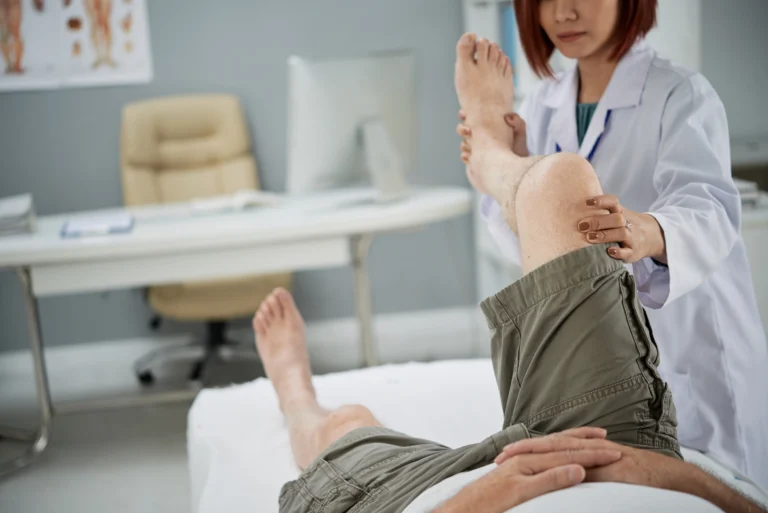
The doctor examines your foot for tenderness, swelling, flexibility, and walking pattern.
Imaging Tests
If necessary, X-rays or ultrasound imaging may be recommended to rule out heel spurs, stress fractures, or other foot conditions.
Accurate diagnosis ensures you receive the most effective treatment.
Best Treatment Options for Plantar Fasciitis
Most patients improve with conservative treatment and do not require surgery.
Rest and Activity Modification
Reducing activities that worsen the pain allows the plantar fascia to heal.
Avoid prolonged standing and high-impact exercises until symptoms improve.
Stretching Exercises
Regular stretching of the calf muscles and plantar fascia improves flexibility and reduces tension on the heel.
Simple exercises performed daily can significantly improve recovery.
Supportive Footwear
Wearing shoes with proper arch support and cushioning helps reduce stress on the plantar fascia.
Avoid walking barefoot on hard floors whenever possible.
Orthotic Insoles
Custom or prefabricated orthotic inserts help distribute pressure evenly across the foot, reducing strain on the heel.
Medications
Anti-inflammatory medications may help reduce pain and swelling during the initial stages of treatment.
Physiotherapy
A personalized physiotherapy program may include:
- Stretching exercises
- Strengthening exercises
- Manual therapy
- Balance training
- Gait correction
Physiotherapy plays an important role in preventing recurrence.
PRP for Plantar Fasciitis
If heel pain persists despite conservative treatment, PRP for plantar fasciitis may be recommended.
Platelet-Rich Plasma (PRP) therapy uses the body’s own healing factors to stimulate tissue repair and reduce chronic inflammation.
For patients with long-standing plantar fasciitis, regenerative treatments may help avoid surgery and support faster healing.
Can Plantar Fasciitis Be Prevented?
Yes. Healthy lifestyle habits can significantly reduce your risk.
Tips include:
- Wear supportive footwear
- Replace worn-out athletic shoes
- Stretch before exercise
- Maintain a healthy weight
- Avoid prolonged standing whenever possible
- Strengthen foot and calf muscles
- Increase exercise intensity gradually
These simple measures can protect your feet from repeated stress injuries.
When Should You See an Orthopaedic Specialist?
You should seek medical attention if:
- Heel pain lasts longer than two weeks
- Walking becomes difficult
- Pain returns repeatedly
- Home remedies provide little relief
- Swelling develops
- You experience numbness or tingling
If you’re searching for the best orthopaedic near Raj Nagar Extension, early treatment can prevent chronic pain and improve recovery.
Why Choose Dr. Ranvijay Pathak at Medical Mantra?
At Medical Mantra, Dr. Ranvijay Pathak provides comprehensive care for heel pain and sports-related foot injuries using the latest diagnostic tools and advanced treatment techniques.
Patients choose Medical Mantra because of:
- Personalized treatment plans
- Accurate diagnosis
- Advanced PRP and regenerative therapies
- Modern rehabilitation protocols
- Patient-focused care
- Long-term pain management strategies
Whether your heel pain is recent or has been affecting you for months, timely treatment can help restore mobility and improve your quality of life.
Frequently Asked Questions
Does plantar fasciitis go away on its own?
Some mild cases improve with rest, but persistent symptoms require proper treatment to prevent chronic pain.
Is walking good for plantar fasciitis?
Gentle walking may be beneficial once pain improves, but excessive walking during the painful phase can worsen the condition.
Can PRP treat plantar fasciitis?
Yes. PRP for plantar fasciitis is often recommended for chronic heel pain that has not responded to conventional treatments. It helps stimulate natural tissue healing.
How long does recovery take?
Most patients recover within a few months with proper treatment, stretching exercises, supportive footwear, and physiotherapy. Chronic cases may take longer.
Where can I get plantar fasciitis treatment in Raj Nagar Extension?
If you’re looking for plantar fasciitis treatment Raj Nagar Extension, a heel pain treatment near me, or the best orthopaedic near Raj Nagar Extension, consult Dr. Ranvijay Pathak at Medical Mantra. With expert diagnosis, advanced treatment options, and personalized rehabilitation, you can overcome heel pain and get back to your daily activities comfortably.