
Common Causes of Shoulder Pain and the Latest Treatment Options
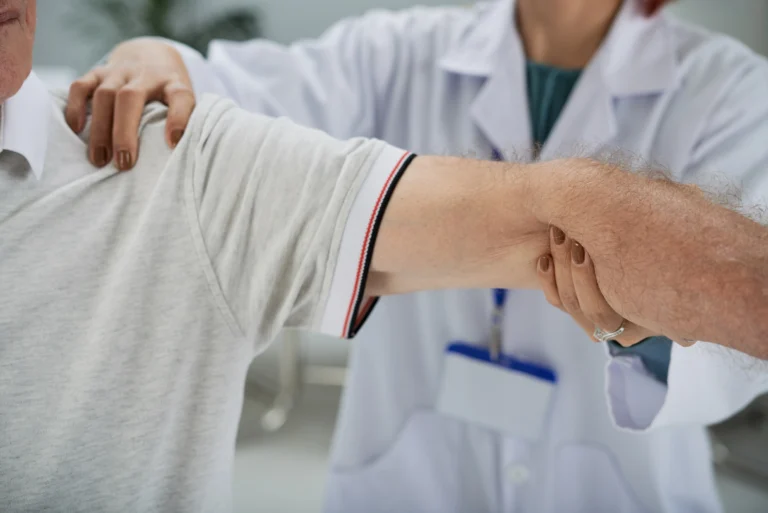
Shoulder pain is a common complaint that affects people of all ages, from athletes to office workers. The shoulder joint is highly flexible, allowing a wide range of motion, but this also makes it prone to injuries and degenerative conditions. Understanding the common causes of shoulder pain and exploring the latest treatment options is essential for maintaining mobility and quality of life.
For residents in Noida, Ghaziabad, and Indirapuram, seeking care from an experienced orthopedic specialist like Dr. Ranvijay Pathak, widely recognized as the best orthopedic surgeon in Ghaziabad, ensures accurate diagnosis and effective treatment. With expertise in minimally invasive procedures and advanced shoulder surgeries, Dr. Pathak is renowned for providing the best shoulder pain treatment in Noida and Ghaziabad
Common Causes of Shoulder Pain
Shoulder pain can result from various causes, ranging from acute injuries to chronic degenerative conditions. Some of the most common include:
- Rotator Cuff Injuries
The rotator cuff is a group of muscles and tendons that stabilize the shoulder joint. Tears, strains, or inflammation in these tendons can lead to pain, weakness, and restricted movement. Rotator cuff injuries are often caused by repetitive overhead activities, sports, or aging. - Frozen Shoulder (Adhesive Capsulitis)
Frozen shoulder results in stiffness and limited mobility due to inflammation of the joint capsule. Patients may experience gradual onset of pain, followed by a progressive loss of shoulder movement. It commonly occurs in people with diabetes or those recovering from shoulder immobilization. - Shoulder Impingement Syndrome
Impingement occurs when the tendons or bursa in the shoulder are compressed during arm movement. It leads to pain, especially when lifting the arm overhead. This condition often develops due to repetitive activities or poor posture. - Arthritis
Osteoarthritis or rheumatoid arthritis can affect the shoulder joint, leading to chronic pain, swelling, and stiffness. Degeneration of cartilage over time reduces joint function and can significantly impact daily activities. - Shoulder Dislocation or Instability
Trauma or sports injuries can dislocate the shoulder, causing severe pain and limiting movement. Recurrent dislocations may lead to chronic instability, requiring surgical intervention in many cases. - Fractures
Breaks in the collarbone (clavicle), shoulder blade (scapula), or upper arm bone (humerus) can result in acute shoulder pain and require immediate orthopedic attention
.
Latest Non-Surgical Treatment Options for Shoulder Pain
Modern medicine provides several non-surgical treatment options for shoulder pain, particularly in mild to moderate cases. These approaches aim to reduce pain, restore function, and prevent further injury:
- Medications
Anti-inflammatory drugs, pain relievers, and corticosteroid injections help manage inflammation and relieve discomfort. These treatments are often the first line of defense for conditions like rotator cuff tendinitis or arthritis. - Physical Therapy
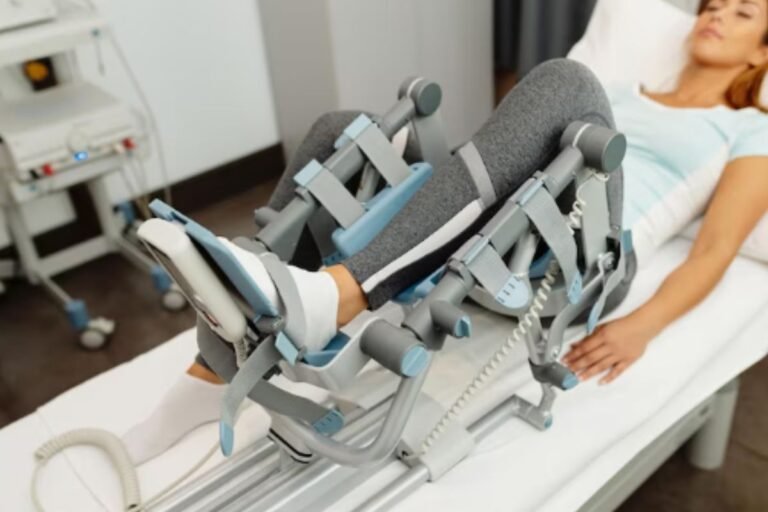
Tailored exercises strengthen the muscles around the shoulder, improve range of motion, and promote joint stability. Regular physiotherapy is essential for managing frozen shoulder, impingement syndrome, and post-injury rehabilitation. - Lifestyle and Ergonomic Modifications
Reducing repetitive overhead movements, improving posture, and using supportive equipment can help prevent shoulder injuries. Maintaining a healthy weight and avoiding activities that strain the shoulder joint are also recommended. - Platelet-Rich Plasma (PRP) Therapy
PRP injections utilize growth factors from the patient’s own blood to promote healing of damaged tendons and ligaments. This advanced therapy is gaining popularity for rotator cuff injuries and tendinopathies.
Advanced Surgical Treatments for Shoulder Pain
When conservative treatments fail or the shoulder injury is severe, surgical interventions may be necessary. Modern orthopedic surgery offers minimally invasive techniques that reduce recovery time and improve outcomes:
- Arthroscopic Shoulder Surgery
Arthroscopy involves small incisions and the use of a camera to repair damaged tendons, ligaments, or cartilage. This technique is effective for rotator cuff tears, labral injuries, and shoulder impingement syndrome. - Shoulder Replacement Surgery
In cases of severe arthritis, joint degeneration, or irreparable damage, total shoulder replacement or reverse shoulder replacement may be recommended. Advanced implants restore joint function, relieve pain, and enhance mobility.
Patients in Noida, Ghaziabad, and Indirapuram have benefited from shoulder replacements performed by Dr. Ranvijay Pathak, known for delivering excellent outcomes and the best shoulder surgeries in Noida and Ghaziabad. - Labral Repair and Stabilization
Injuries to the labrum, the cartilage rim surrounding the shoulder socket, can cause instability. Surgical repair using arthroscopic techniques restores stability and prevents recurrent dislocations. - Fracture Fixation
Severe fractures of the clavicle, scapula, or humerus are managed through internal fixation using plates, screws, or pins. This stabilizes the bone and facilitates faster recovery
When to Consult an Orthopedic Specialist
Not all shoulder pain requires surgery, but timely consultation is essential to prevent chronic issues. Seek evaluation if you experience:
- Persistent pain unresponsive to rest or medications
- Limited range of motion or stiffness affecting daily activities
- Shoulder weakness or instability
- Audible popping or grinding sounds in the joint
- History of trauma or recurrent dislocations
For patients in Ghaziabad, Noida, and Indirapuram, consulting Dr. Ranvijay Pathak, one of the best orthopedic surgeons in Ghaziabad, ensures accurate diagnosis and a personalized treatment plan tailored to your needs.
Recovery and Rehabilitation
Recovery after shoulder treatment, whether non-surgical or surgical, requires structured rehabilitation:
- Physical Therapy: Strengthening and stretching exercises improve joint mobility and muscle support.
- Pain Management: Medications and targeted therapies help control discomfort during the healing process.
- Lifestyle Adjustments: Avoiding strenuous activities, practicing proper posture, and gradual return to work or sports enhance recovery outcomes.
Modern surgical techniques, coupled with personalized post-operative care, allow most patients in Noida and Ghaziabad to regain full function and resume daily activities within a few weeks to months, depending on the severity of the injury.
Choosing the Right Specialist in Ghaziabad and Noida
The success of shoulder pain treatment heavily depends on the expertise of the orthopedic surgeon. Patients should look for:
- Extensive experience in shoulder surgeries and joint preservation
- Advanced diagnostic and surgical facilities
- Personalized care and comprehensive rehabilitation programs
Dr. Ranvijay Pathak, recognized for his skill and patient-centric approach, is the preferred choice for many residents of Indirapuram, Noida, and Ghaziabad. With his expertise, patients receive the best shoulder pain treatment and surgical care, ensuring faster recovery and long-term joint health.
Conclusion
Shoulder pain can significantly impact daily life, but modern treatment options—from conservative therapies to advanced surgical procedures—offer effective solutions. Early diagnosis, targeted treatment, and timely intervention are crucial for preventing chronic disability and maintaining joint function.
For residents of Noida, Ghaziabad, and Indirapuram, consulting Dr. Ranvijay Pathak, the best orthopedic surgeon in Ghaziabad, ensures access to cutting-edge treatments, minimally invasive surgeries, and expert post-operative care. Whether it’s managing a rotator cuff injury, frozen shoulder, or considering shoulder replacement, professional guidance is key to restoring pain-free mobility and improving quality of life.