ACL Reconstruction with Internal Bracing: Benefits, Procedure, and Recovery in Delhi NCR
An Anterior Cruciate Ligament (ACL) injury is one of the most common knee ligament injuries, particularly among athletes, fitness enthusiasts, and individuals involved in activities that require sudden movements, jumping, or changes in direction. An ACL tear can affect knee stability, making everyday activities such as walking, climbing stairs, running, and playing sports difficult.
With advancements in orthopaedic surgery, ACL reconstruction with internal bracing has emerged as an option for providing additional support to the reconstructed ligament. This technique combines traditional ACL reconstruction with a strong synthetic suture tape that acts as an internal support structure for the healing graft.
For individuals experiencing knee instability or an ACL injury, understanding this advanced surgical approach can help them make informed treatment decisions. Patients looking for ACL reconstruction in Delhi NCR, Noida, Ghaziabad, and Delhi can consult an experienced orthopaedic or sports medicine specialist to determine the most suitable treatment approach.
In this guide, we will explore what ACL reconstruction with internal bracing is, how the procedure works, its benefits, recovery timeline, and how it differs from traditional ACL reconstruction.
What Is ACL Reconstruction with Internal Bracing?
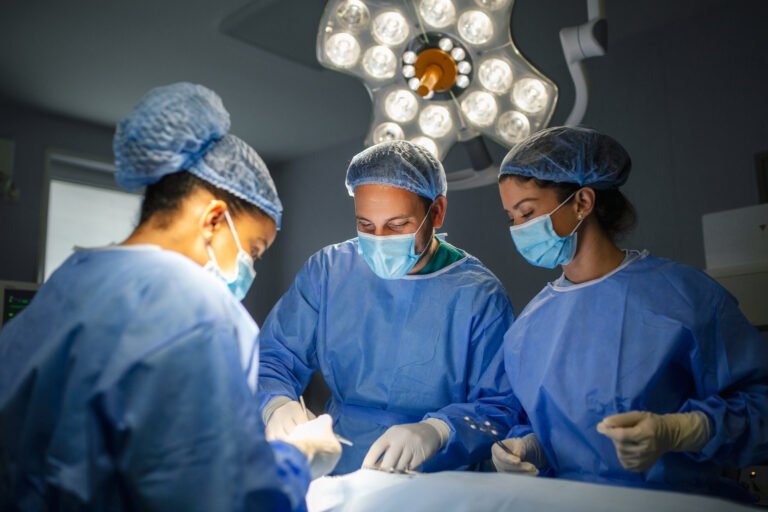
ACL reconstruction with internal bracing is a surgical technique used to treat an anterior cruciate ligament tear. It combines conventional ACL reconstruction, in which the damaged ligament is replaced with a graft, with an additional internal support system made from high-strength suture tape.
The ACL is an important ligament located inside the knee joint. It connects the thigh bone (femur) to the shin bone (tibia) and helps maintain knee stability during movements such as running, jumping, twisting, and changing direction.
When the ACL is completely torn, it generally cannot heal reliably on its own. ACL reconstruction is commonly recommended for active individuals or patients experiencing persistent knee instability.
In an ACL reconstruction with internal bracing, the surgeon places a graft to replace the damaged ligament and adds a strong suture tape alongside it. This tape acts as a protective support mechanism, helping share the load placed on the reconstructed ligament during the healing process.
It is important to understand that internal bracing does not replace the ACL graft. Instead, it provides additional mechanical support while the graft undergoes biological healing and integration.
How Does Internal Bracing Work in ACL Surgery?
Internal bracing works by providing additional support to the reconstructed ACL through a high-strength suture tape.
During surgery, the surgeon first prepares the graft, which may be obtained from the patient’s own tissue (autograft) or donor tissue (allograft), depending on the patient’s condition and surgical requirements.
The graft is then positioned inside the knee through specially created bone tunnels. The surgeon also places a suture tape alongside the graft and secures it using appropriate fixation techniques.
The internal brace is designed to help protect the graft from excessive forces during the early stages of rehabilitation.
The procedure generally involves the following steps:
- Arthroscopic examination: Small incisions are made around the knee, and an arthroscope is inserted to examine the damaged ACL and other structures inside the joint.
- Graft preparation: The selected graft is prepared to replace the torn ligament.
- Bone tunnel creation: Small tunnels are created in the femur and tibia to position the reconstructed ligament.
- Graft placement: The prepared graft is passed through the tunnels and secured in the correct anatomical position.
- Internal brace placement: A high-strength suture tape is positioned alongside the graft and secured to provide additional mechanical support.
- Final assessment: The surgeon checks graft positioning, fixation, and knee stability before completing the procedure.
The exact surgical technique may vary depending on the patient’s injury, graft selection, anatomy, and surgeon’s preference.
Benefits of ACL Reconstruction with Internal Bracing
ACL reconstruction with internal bracing offers several potential advantages when used in appropriately selected patients.
1. Additional Support for the Reconstructed Ligament
One of the main purposes of internal bracing is to provide additional mechanical support to the reconstructed ACL.
The suture tape acts as a protective structure that helps share some of the forces placed on the graft during the early healing phase.
2. Protection Against Excessive Loading
After ACL reconstruction, the graft needs time to heal and integrate with the surrounding bone and tissue.
Internal bracing may help protect the graft against excessive loading during the initial recovery period. However, it does not eliminate the risk of graft failure or reinjury.
3. Support During Rehabilitation
Rehabilitation is an essential part of ACL surgery recovery.
The additional support provided by the internal brace may help the surgeon and physiotherapist manage the rehabilitation process. However, the recovery plan must still be based on the patient’s healing, strength, range of motion, and functional progress.
4. Improved Mechanical Stability
The internal brace is designed to provide additional mechanical reinforcement to the reconstructed ligament.
It may help limit excessive movement and protect the graft under certain loading conditions.
5. Potential Benefits for Active Individuals
Athletes and physically active individuals often require reliable knee stability to return to their activities.
ACL reconstruction with internal bracing may be considered in selected patients who need additional graft protection. However, returning to sports safely depends on several factors, including muscle strength, neuromuscular control, graft healing, and functional testing.
ACL Reconstruction with Internal Bracing vs. Traditional ACL Surgery
Both traditional ACL reconstruction and ACL reconstruction with internal bracing aim to restore knee stability after an ACL tear.
The primary difference is the additional suture tape used in the internal bracing technique.
| Feature | Traditional ACL Reconstruction | ACL Reconstruction with Internal Bracing |
|---|---|---|
| Graft replacement | Yes | Yes |
| Additional suture tape | Usually no | Yes |
| Mechanical support | Through graft and fixation | Graft plus additional suture tape |
| Rehabilitation | Structured physiotherapy | Structured physiotherapy |
| Recovery | Depends on healing and rehabilitation | Depends on healing and rehabilitation |
| Sports return | Based on functional milestones | Based on functional milestones |
Which Technique Is Better?
There is no single surgical technique that is best for every ACL injury.
Traditional ACL reconstruction is an established procedure with extensive clinical experience. Internal bracing provides an additional support mechanism, but its advantages must be evaluated according to the patient’s specific condition.
Factors such as age, activity level, injury severity, associated meniscus injuries, graft selection, and previous knee surgeries play an important role in choosing the appropriate technique.
An experienced ACL surgeon in Delhi NCR can assess these factors and recommend an individualized treatment plan.
Who Is an Ideal Candidate for ACL Reconstruction with Internal Bracing?
ACL reconstruction with internal bracing may be considered for patients who have a complete ACL tear and require surgical reconstruction.
Potential candidates include:
- Athletes involved in football, basketball, cricket, badminton, and other sports.
- Individuals experiencing repeated knee instability.
- Active individuals who want to return to physically demanding activities.
- Patients with an ACL injury affecting their daily activities.
- Individuals who require additional mechanical support for the reconstructed graft.
However, not every ACL injury requires surgery, and not every patient undergoing ACL reconstruction needs internal bracing.
Some patients may benefit from non-surgical treatment, including physiotherapy, activity modification, and strengthening exercises.
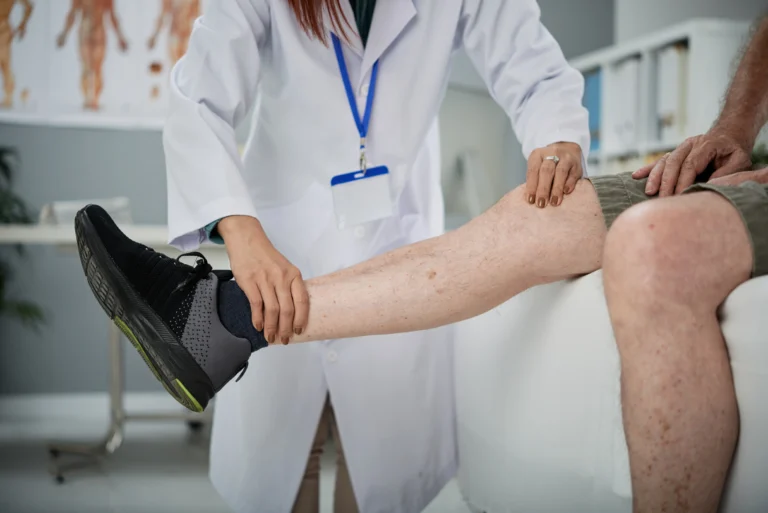
A detailed clinical examination and appropriate imaging, such as an MRI, help determine the most suitable treatment approach.
ACL Reconstruction Surgery: What Is the Recovery Timeline?
Recovery after ACL reconstruction with internal bracing is a gradual process. Although internal bracing provides additional mechanical support, it does not mean that the ligament heals immediately or that rehabilitation can be skipped.
The recovery timeline varies according to the patient’s injury, graft type, surgical technique, physical condition, and rehabilitation progress.
First 1–2 Weeks: Initial Recovery
The initial recovery phase focuses on controlling pain and swelling while gradually restoring knee movement.
Patients may be advised to:
- Use ice packs to manage swelling.
- Keep the leg elevated when resting.
- Follow prescribed medications.
- Perform recommended ankle and knee movements.
- Use crutches or a knee brace if advised by the surgeon.
Weeks 2–6: Restoring Knee Movement
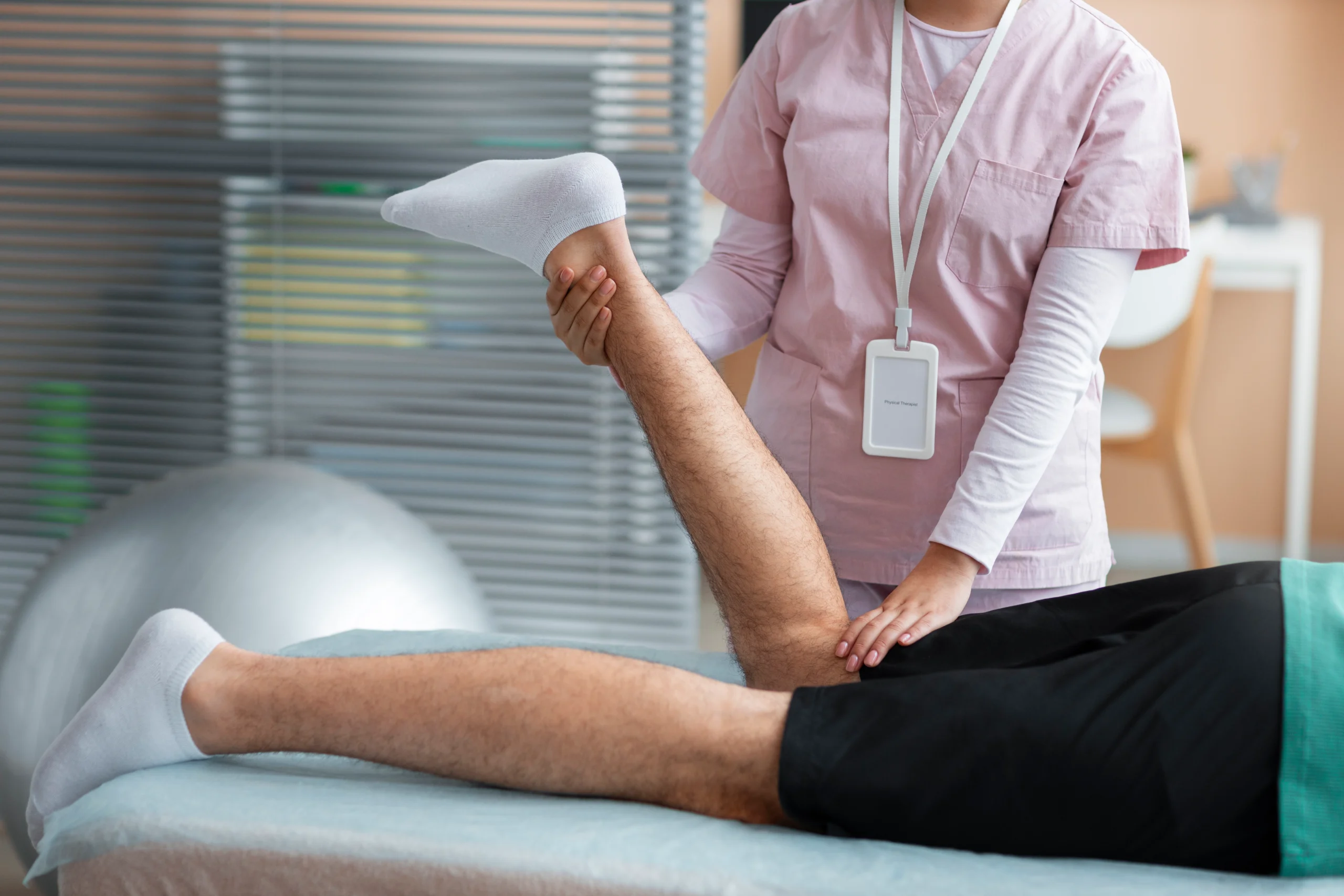
During this phase, physiotherapy focuses on improving knee mobility and activating the quadriceps muscles.
Common rehabilitation goals include:
- Improving knee extension and flexion.
- Reducing swelling.
- Improving muscle activation.
- Gradually improving walking ability.
- Developing better control of the operated leg.
The exercises must follow the surgeon’s and physiotherapist’s instructions.
Weeks 6–12: Strengthening and Stability
As recovery progresses, rehabilitation generally focuses on improving muscle strength, balance, and coordination.
Depending on the patient’s progress, exercises may include:
- Controlled squats.
- Stationary cycling.
- Step-up exercises.
- Balance training.
- Progressive strengthening exercises.
The intensity of exercises should be increased gradually.
Months 3–6: Functional Rehabilitation
Patients may begin more advanced functional exercises depending on their recovery and clinical assessment.
The focus is on improving:
- Lower-body strength.
- Balance and coordination.
- Movement control.
- Functional knee stability.
- Tolerance to progressively demanding activities.
Running is introduced only when the patient meets the appropriate rehabilitation criteria.
Months 6–12: Return to Sports and High-Impact Activities
Returning to sports requires more than simply reaching a particular recovery month.
Patients may need to complete strength assessments, balance tests, movement evaluations, and sport-specific functional testing.
Many athletes require approximately 9–12 months or longer before returning to high-demand pivoting sports after ACL reconstruction.
The final decision should be made by the treating surgeon and rehabilitation team based on objective recovery milestones.
What Are the Possible Risks and Complications?
Like any surgical procedure, ACL reconstruction with internal bracing carries certain risks.
Although the procedure is designed to provide additional graft support, complications can still occur.
Potential risks include:
- Infection around the surgical site.
- Persistent knee swelling or stiffness.
- Blood clots.
- Pain around the knee.
- Reduced range of motion.
- Graft failure or reinjury.
- Hardware-related complications.
- Irritation or discomfort associated with the suture tape.
In some cases, patients may experience difficulty regaining full knee movement or muscle strength.
Following postoperative instructions, attending physiotherapy sessions, and avoiding premature return to sports can help support a safer recovery.
Patients should contact their treating medical team if they experience increasing pain, fever, wound discharge, significant calf swelling, or other concerning symptoms.
Why Is Physiotherapy Important After ACL Reconstruction?
Physiotherapy plays a crucial role in successful ACL surgery recovery.
Even when internal bracing is used, the reconstructed ligament needs time to heal, and the surrounding muscles must regain strength and coordination.
A structured rehabilitation programme helps patients gradually restore normal knee function.
Important components of ACL rehabilitation include:
Range-of-motion exercises: Help restore normal knee movement and reduce stiffness.
Quadriceps strengthening: Improves the strength of the muscles supporting the knee joint.
Hamstring strengthening: Helps develop balanced lower-limb muscle strength.
Balance training: Improves coordination and control during standing and movement.
Functional exercises: Prepare patients for daily activities, running, and eventually sports.
A personalized physiotherapy programme is essential because every patient’s recovery is different.
How to Choose the Right ACL Surgeon in Delhi NCR?
Choosing an experienced orthopaedic surgeon is an important step when considering ACL reconstruction with internal bracing.
Patients searching for ACL surgery in Delhi, Noida, Ghaziabad, or other parts of Delhi NCR should consider the following factors:
- Experience in ACL reconstruction: Look for a surgeon experienced in treating ACL injuries and performing arthroscopic knee surgeries.
- Knowledge of advanced surgical techniques: Discuss the surgeon’s experience with internal bracing and whether it is appropriate for your injury.
- Individualized treatment planning: The surgeon should evaluate your MRI, physical activity, injury history, and associated knee problems.
- Rehabilitation support: A good treatment programme should include structured postoperative physiotherapy.
- Patient education: Your surgeon should clearly explain the procedure, potential risks, expected recovery, and return-to-sports criteria.
Patients looking for an ACL surgeon in Noida, ACL reconstruction in Ghaziabad, or advanced knee ligament treatment in Delhi NCR should prioritize clinical expertise and a comprehensive treatment approach rather than choosing a procedure based only on its name.
ACL Reconstruction with Internal Bracing in Delhi, Noida, and Ghaziabad
Access to advanced orthopaedic treatment is an important consideration for patients dealing with knee ligament injuries.
Individuals living in Delhi NCR, including Noida, Ghaziabad, Indirapuram, Vaishali, Greater Noida, and East Delhi, can seek consultation with an experienced orthopaedic or sports medicine specialist for ACL injuries.
Whether you are an athlete experiencing knee instability or an individual struggling with everyday knee movements, an accurate diagnosis is the first step towards appropriate treatment.
A specialist can assess the extent of ligament damage, evaluate associated meniscus or cartilage injuries, and determine whether traditional ACL reconstruction or ACL reconstruction with internal bracing is suitable.
The goal is not simply to repair the ligament but to restore knee function, improve stability, and help patients return to their desired activities safely.
Frequently Asked Questions (FAQs)
1. What is ACL reconstruction with internal bracing?
ACL reconstruction with internal bracing is a surgical procedure in which a damaged ACL is replaced with a graft and reinforced with high-strength suture tape. The tape provides additional mechanical support to the reconstructed ligament.
2. Is ACL reconstruction with internal bracing better than traditional ACL surgery?
Both techniques have their advantages. Internal bracing adds mechanical reinforcement to the reconstructed graft, but it is not automatically better for every patient. The appropriate procedure depends on the injury and individual clinical requirements.
3. How long does recovery take after ACL reconstruction with internal bracing?
Initial recovery generally takes several weeks, while full rehabilitation may take 6–12 months or longer. Returning to high-demand sports often requires approximately 9–12 months and appropriate functional testing.
4. Can I walk normally after ACL reconstruction?
Most patients gradually regain normal walking ability through rehabilitation. The timeline depends on swelling, muscle strength, associated injuries, and the surgeon’s postoperative protocol.
5. Is internal bracing suitable for every ACL tear?
No. Internal bracing is not necessary or appropriate for every ACL injury. The surgeon evaluates the injury pattern, graft selection, patient activity level, and other clinical factors before recommending it.
6. Does internal bracing reduce the chances of ACL reinjury?
Internal bracing is designed to provide additional mechanical support to the graft. However, it cannot guarantee that reinjury or graft failure will not occur. Proper rehabilitation and a criteria-based return to sports remain essential.
7. Where can I get ACL reconstruction treatment in Delhi NCR?
Patients can consult qualified orthopaedic and sports medicine specialists in Delhi, Noida, Ghaziabad, and other parts of Delhi NCR to discuss ACL reconstruction and internal bracing options.
Conclusion
ACL reconstruction with internal bracing represents an advancement in the surgical approach to knee ligament injuries. By combining graft reconstruction with additional suture tape support, this technique aims to provide mechanical reinforcement during the healing process.
However, successful treatment depends on several factors, including appropriate patient selection, surgical expertise, graft healing, and structured physiotherapy.
If you are experiencing knee instability, pain, or difficulty returning to physical activities after an ACL injury, consider consulting an experienced orthopaedic specialist.
For patients exploring ACL reconstruction in Delhi NCR, Noida, Ghaziabad, and Delhi, a detailed evaluation can help identify the most suitable treatment approach and support a safe return to everyday activities and sports.