What Happens If Knee Arthritis Is Left Untreated?
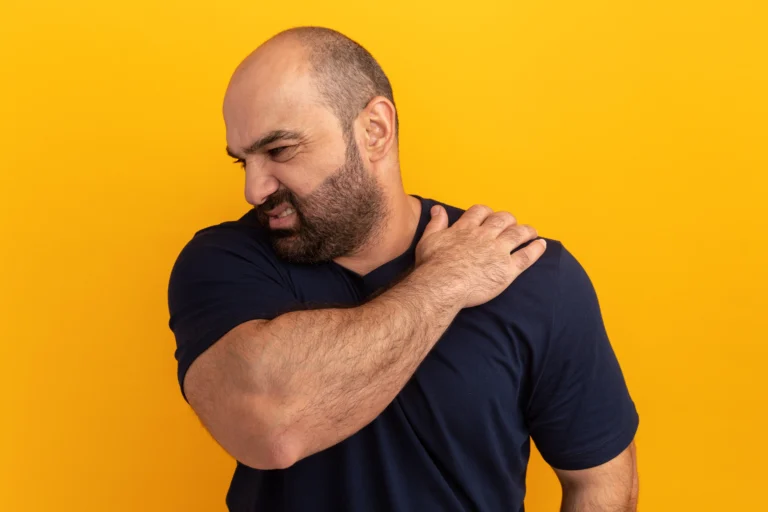
Knee pain is often considered a normal part of ageing, especially when it starts gradually. However, persistent knee pain, stiffness, swelling, or difficulty walking may indicate knee arthritis, a condition that can progressively affect the knee joint and everyday mobility.
Many people initially manage knee pain with rest or occasional pain medication and delay consulting an orthopaedic specialist. But what happens if knee arthritis is left untreated? While the progression varies from person to person, ignoring persistent symptoms can lead to increasing pain, reduced mobility, muscle weakness, and difficulty performing routine activities.
If you are experiencing ongoing knee pain, consulting an experienced orthopaedic doctor in Indirapuram or Ghaziabad can help identify the cause and determine an appropriate treatment plan.
What Is Knee Arthritis?
Knee arthritis occurs when the structures inside the knee joint gradually become damaged or inflamed. Osteoarthritis is one of the most common forms and is associated with the gradual breakdown of cartilage that cushions the ends of the bones.
As cartilage becomes thinner, the bones may experience increased friction during movement. This can cause symptoms such as:
- Knee pain during walking or standing
- Stiffness after sitting or resting
- Swelling around the knee
- Difficulty climbing stairs
- Reduced range of motion
- Clicking or grinding sensations
- Difficulty squatting or sitting cross-legged
The severity and progression of symptoms can differ between individuals. Early evaluation by an orthopaedic specialist can help determine the condition of the knee and appropriate management options.
What Happens If Knee Arthritis Is Left Untreated?
Untreated knee arthritis does not necessarily progress at the same rate for everyone. However, continuing to ignore persistent symptoms can affect your mobility and quality of life.
1. Knee Pain May Become More Frequent
In the early stages, knee pain may occur mainly after prolonged walking, exercise, or climbing stairs. Over time, discomfort may become more frequent.
Activities that were previously easy, such as walking to the market, travelling, climbing stairs, or standing for extended periods, may become increasingly uncomfortable.
Persistent pain can also affect sleep and make it harder to maintain normal daily activities.
2. Knee Stiffness Can Increase
Another common consequence of progressing arthritis is increasing stiffness.
You may notice stiffness when getting out of bed, standing after sitting for a long period, or starting to walk after resting.
Reduced movement can create a cycle in which the knee becomes less flexible and daily activities become increasingly difficult.
3. Mobility May Gradually Decrease
As knee pain and stiffness increase, people often begin avoiding activities that cause discomfort.
For example, someone may stop:
- Taking long walks
- Using stairs
- Exercising
- Travelling frequently
- Squatting
- Participating in recreational activities
Over time, this reduction in physical activity can further affect overall strength and mobility.
If knee pain is limiting your everyday activities, it is worth consulting an orthopaedic doctor in Ghaziabad for an evaluation rather than simply accepting the pain as a normal part of ageing.
4. Leg Muscles Can Become Weaker
When the knee hurts, people naturally tend to put less weight on the affected leg.
Reduced physical activity can contribute to weakening of the muscles surrounding the knee, particularly the quadriceps.
Strong muscles around the knee help support the joint and maintain stability. Therefore, maintaining appropriate physical activity and following a doctor-recommended rehabilitation program can be an important part of managing knee arthritis.
5. Walking Pattern May Change
Persistent knee pain can cause a person to change the way they walk to reduce pressure on the painful knee.
You may unconsciously place more weight on the opposite leg or alter your walking pattern.
Over time, this may place additional stress on other joints and muscles, potentially contributing to discomfort in the hip, ankle, or lower back.
6. Knee Movement May Become More Limited
Progressive arthritis can make it increasingly difficult to fully bend or straighten the knee.
This can interfere with everyday activities such as:
- Getting into or out of a car
- Climbing stairs
- Sitting on the floor
- Squatting
- Getting up from a chair
- Performing household activities
If your knee movement is becoming increasingly restricted, an orthopaedic evaluation can help determine whether the symptoms are related to arthritis or another knee condition.
7. Joint Damage Can Progress
Arthritis is a degenerative condition, particularly osteoarthritis, and structural changes within the joint may progress over time.
The extent of progression varies significantly among individuals. Factors such as age, body weight, previous injuries, activity levels, genetics, and the severity of arthritis can influence symptoms and disease progression.
This is why there is no single treatment that is appropriate for every patient.
A specialist may recommend lifestyle changes, physiotherapy, medications, injections, or other treatments depending on the individual’s condition.
Can Knee Arthritis Be Treated Without Surgery?
One of the biggest concerns among patients with knee arthritis is whether they will eventually require knee replacement surgery.
The answer depends on the severity of arthritis, symptoms, functional limitations, overall health, and response to conservative treatments.
In many patients, especially those with mild-to-moderate symptoms, doctors may initially consider non-surgical approaches.
These may include:
Exercise and Physiotherapy
A structured exercise and physiotherapy program can help improve muscle strength, flexibility, balance, and joint function.
Exercises should be selected according to the individual’s condition rather than following a generic online exercise routine.
Weight Management
If a person is overweight, reducing excess body weight may help reduce stress placed on the knee during everyday activities.
Even modest weight reduction may be beneficial for some people with knee osteoarthritis.
Medication
Depending on the individual’s medical history and symptoms, a doctor may recommend appropriate medications to help manage pain and inflammation.
Medication should be taken under medical guidance, particularly when used regularly.
Injections
Some patients may be candidates for injections depending on their symptoms and diagnosis.
Treatment options can include different types of injections, but their suitability varies from patient to patient. An orthopaedic specialist can explain the potential benefits, limitations, and risks.
Regenerative Treatment Options
Regenerative medicine has also become an area of interest for people with joint problems.
Treatments such as PRP and other regenerative approaches may be considered in selected patients. However, these treatments are not suitable for everyone and should be discussed with a qualified orthopaedic specialist after proper evaluation.
When Should You See an Orthopaedic Doctor for Knee Arthritis?
You should consider consulting an orthopaedic doctor if knee pain:
- Continues for several weeks
- Interferes with walking
- Makes climbing stairs difficult
- Causes repeated swelling
- Limits knee movement
- Prevents you from exercising
- Affects sleep
- Is becoming progressively worse
You should also seek medical evaluation after a significant knee injury or if you experience sudden severe pain, significant swelling, inability to bear weight, or other concerning symptoms.
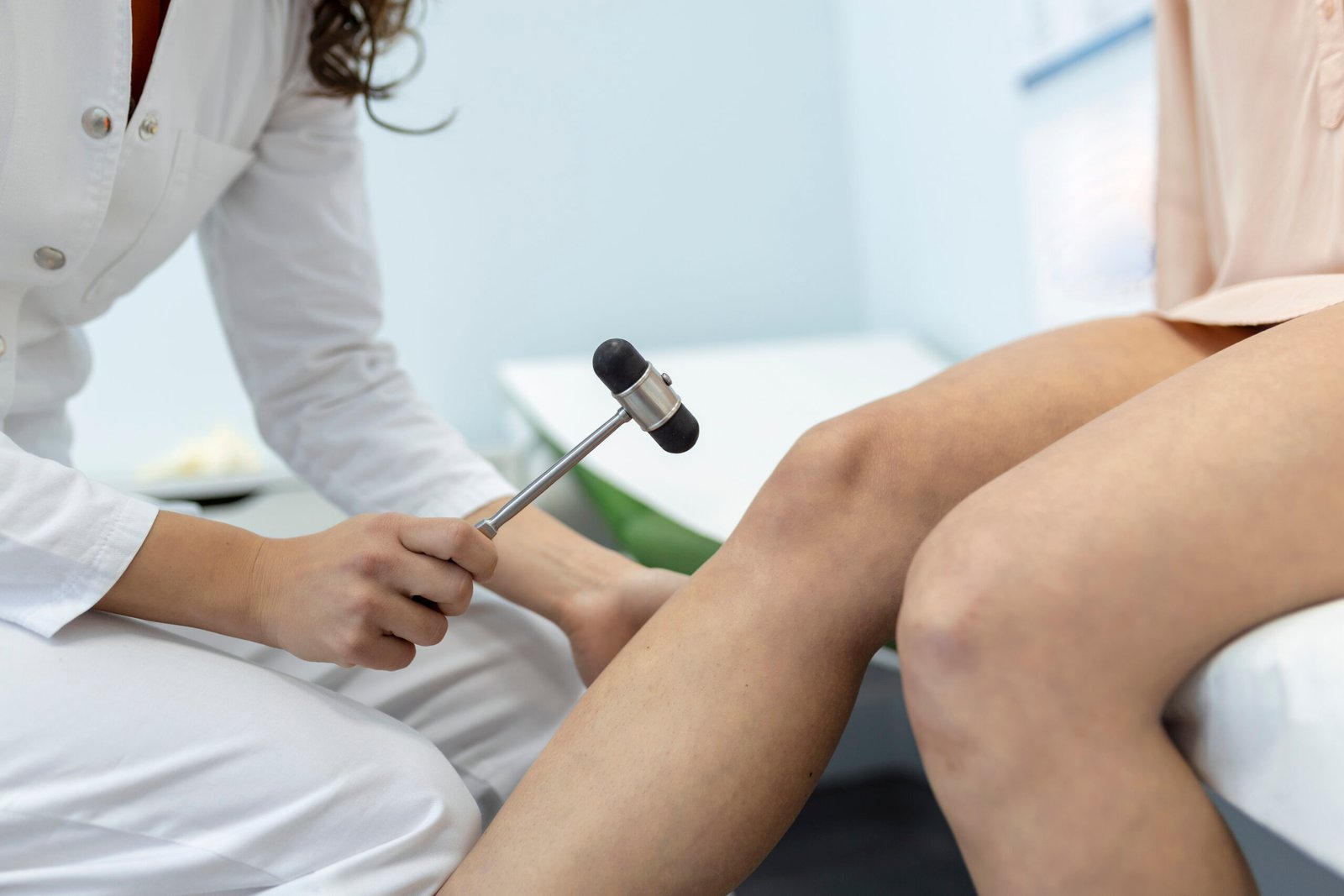
Early evaluation does not automatically mean surgery. Instead, it allows the doctor to understand the condition of your knee and discuss appropriate treatment options.
Choosing an Orthopaedic Doctor in Indirapuram or Ghaziabad
If you are searching online for the best orthopaedic doctor in Indirapuram or the best orthopaedic doctor in Ghaziabad, don’t choose a specialist based only on rankings or online claims.
Look for an orthopaedic doctor with relevant experience in treating knee and joint conditions and who takes time to understand your symptoms, medical history, lifestyle, and treatment goals.
For patients searching for a knee arthritis doctor in Indirapuram and Ghaziabad, Dr. Ranvijay Pathak provides orthopaedic consultation and treatment for knee and joint conditions.
Patients looking for Dr. Ranvijay Pathak, a knee arthritis doctor, can discuss their symptoms and receive an evaluation to understand the condition of their knee and possible treatment options.
Is Knee Arthritis Always Going to Get Worse?
Not necessarily.
Knee arthritis can behave differently in different people. Some individuals experience relatively stable symptoms for long periods, while others may experience gradual progression.
The important point is that persistent knee pain should not simply be ignored.
A timely evaluation can help identify the severity of the condition and allow patients to make informed decisions about exercise, lifestyle modifications, medication, physiotherapy, injections, or surgical options when appropriate.
Frequently Asked Questions About Untreated Knee Arthritis
Can untreated knee arthritis become serious?
Knee arthritis can progressively affect pain levels, mobility, joint function, and quality of life. The progression varies between individuals, so persistent symptoms should be evaluated by an orthopaedic specialist.
Can knee arthritis be reversed?
The cartilage damage associated with osteoarthritis generally cannot simply be reversed. However, appropriate treatment may help manage symptoms, improve function, and support mobility.
Does everyone with knee arthritis need knee replacement?
No. Knee replacement is generally considered based on factors such as severity of joint damage, persistent symptoms, functional limitations, and response to other treatments. Many patients may initially be managed with non-surgical approaches.
When should I visit a knee arthritis doctor?
If knee pain persists, repeatedly returns, causes swelling or stiffness, or interferes with normal activities, consider consulting an orthopaedic specialist for an evaluation.
Who should I consult for knee arthritis in Indirapuram or Ghaziabad?
Patients looking for a knee arthritis doctor in Indirapuram or Ghaziabad can consult Dr. Ranvijay Pathak for evaluation and discussion of appropriate treatment options based on their individual knee condition.
Don’t Ignore Persistent Knee Pain
Knee arthritis is more than just occasional knee discomfort. When symptoms begin affecting walking, stairs, exercise, sleep, or everyday activities, it may be time to seek professional advice.
You do not have to wait until knee pain becomes severe before consulting an orthopaedic specialist. Early evaluation can help you understand what is happening inside your knee and what treatment options may be appropriate.
If you are looking for an orthopaedic doctor in Indirapuram or Ghaziabad or searching for a knee arthritis specialist such as Dr. Ranvijay Pathak, schedule an orthopaedic consultation to have your symptoms properly assessed and discuss a personalized treatment approach.