Is Arthroscopic Surgery the Best Treatment for Shoulder Dislocation?
Shoulder dislocation is one of the most common joint injuries, especially among athletes, active individuals, and people who experience falls or accidents. A dislocated shoulder occurs when the upper arm bone (humerus) slips out of the shoulder socket, causing severe pain, instability, and limited movement. While some shoulder dislocations can be managed without surgery, recurrent or complex dislocations often require advanced treatment to restore stability and prevent future injuries.
If you are searching for the best orthopedic surgeon in Raj Nagar Extension, understanding the role of arthroscopic surgery can help you make an informed decision about your treatment options.
Understanding Shoulder Dislocation
The shoulder is the most mobile joint in the body, making it more vulnerable to dislocation than other joints. A shoulder dislocation typically occurs due to:
- Sports-related injuries
- Road traffic accidents
- Falls from height
- Sudden trauma to the shoulder
- Previous shoulder instability
Common symptoms include:
- Severe shoulder pain
- Visible deformity of the shoulder
- Swelling and bruising
- Inability to move the arm normally
- Repeated episodes of shoulder slipping out of place
After a shoulder dislocation, some patients recover with conservative treatment, while others continue to experience instability and recurrent dislocations.
Is Surgery Necessary for Every Shoulder Dislocation?
The answer is no.
A first-time shoulder dislocation may often be treated with:
- Shoulder reduction (putting the joint back in place)
- Immobilization with a sling
- Pain management
- Physical therapy
- Strengthening exercises
However, surgery may be recommended when:
- The shoulder dislocates repeatedly
- There is damage to the labrum or ligaments
- The patient is young and physically active
- Sports participation increases the risk of recurrence
- Conservative treatment fails to provide stability
In these cases, arthroscopic surgery is frequently considered the preferred treatment option.
What Is Arthroscopic Shoulder Surgery?
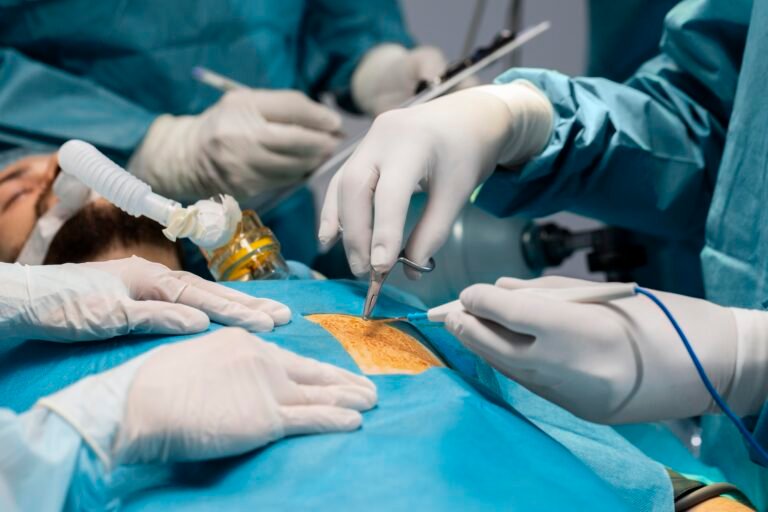
Arthroscopic shoulder surgery is a minimally invasive procedure performed using a small camera called an arthroscope. The surgeon inserts the camera and specialized instruments through tiny incisions to repair damaged structures inside the shoulder joint.
Unlike traditional open surgery, arthroscopy allows surgeons to visualize the joint clearly while minimizing damage to surrounding tissues.
Patients looking for the best arthroscopic surgery in Raj Nagar Extension often prefer this technique because of its precision, smaller incisions, and faster recovery.
Why Is Arthroscopic Surgery Considered the Gold Standard for Recurrent Shoulder Dislocation?
For many patients with recurrent shoulder instability, arthroscopic surgery offers several advantages:
1. Minimally Invasive Procedure
Small incisions mean:
- Less tissue damage
- Reduced pain after surgery
- Minimal scarring
- Lower risk of infection
2. Better Visualization
The arthroscope provides a magnified view of the shoulder joint, allowing the surgeon to identify and repair injuries accurately.
3. Effective Repair of Labral Tears
Many shoulder dislocations cause a Bankart lesion, a tear of the shoulder labrum. Arthroscopic surgery allows precise repair of these injuries, helping restore joint stability.
4. Faster Recovery
Compared with traditional open surgery, arthroscopic procedures often result in:
- Shorter hospital stays
- Faster rehabilitation
- Earlier return to daily activities
5. Reduced Risk of Future Dislocations
When performed correctly, arthroscopic stabilization significantly lowers the likelihood of recurrent shoulder dislocations.
When Is Arthroscopic Surgery the Best Option?
Arthroscopic surgery is often recommended when patients experience:
- Multiple shoulder dislocations
- Shoulder instability during daily activities
- Labral tears confirmed on MRI
- Sports-related shoulder injuries
- Failed non-surgical treatment
Young athletes and physically active individuals frequently benefit from early surgical stabilization to prevent further damage to the shoulder joint.
What Happens During Arthroscopic Shoulder Stabilization?
The procedure typically involves:
- Administration of anesthesia.
- Creation of small incisions around the shoulder.
- Insertion of the arthroscope.
- Identification of damaged ligaments, labrum, or cartilage.
- Repair using specialized anchors and sutures.
- Closure of incisions.
Most procedures are completed within a few hours, and patients are usually discharged the same day or the following day.
Recovery After Arthroscopic Shoulder Surgery
Recovery varies depending on the severity of the injury and the repair performed.
Typical Recovery Timeline
First 2–4 Weeks
- Shoulder supported in a sling
- Pain and swelling gradually decrease
4–8 Weeks
- Gentle physiotherapy begins
- Range of motion improves
2–4 Months
- Strengthening exercises introduced
- Functional activities resumed
4–6 Months
- Return to sports and high-demand activities
Following the rehabilitation program is essential for achieving optimal outcomes.
Choosing the Best Orthopedic Surgeon in Raj Nagar Extension
Successful shoulder surgery depends heavily on the expertise of the treating surgeon. Patients seeking the best orthopedic surgeon in Raj Nagar Extension should look for a specialist with extensive experience in shoulder arthroscopy and sports injury management.
Dr. Ranvijay – Advanced Shoulder and Arthroscopic Surgery Specialist
Dr. Ranvijay is known for providing comprehensive orthopedic care, with a focus on minimally invasive arthroscopic procedures for shoulder injuries, sports trauma, and joint disorders.
Patients from Raj Nagar Extension, Indirapuram, Vaishali, Vasundhara, and nearby areas consult Dr. Ranvijay for the diagnosis and treatment of:
- Shoulder dislocation
- Recurrent shoulder instability
- Rotator cuff injuries
- Frozen shoulder
- Sports injuries
- Knee arthroscopy
- Ligament injuries
Dr. Ranvijay is associated with:
- Medical Mantra, Indirapuram
- Max Hospital, Vaishali
- Yashoda Hospital, Vasundhara
His patient-centered approach and expertise in minimally invasive orthopedic procedures have made him a trusted choice for individuals seeking the best arthroscopic surgery in Raj Nagar Extension and surrounding areas.
Can Shoulder Dislocation Be Prevented?
While not all dislocations can be prevented, the following measures may reduce the risk:
- Strengthening shoulder muscles
- Following proper sports techniques
- Using protective equipment during contact sports
- Completing rehabilitation after an initial dislocation
- Seeking early treatment for shoulder instability
Ignoring recurrent shoulder dislocations can lead to additional cartilage damage, arthritis, and more complex surgical requirements in the future.
Final Thoughts
Arthroscopic surgery is widely regarded as one of the most effective treatments for recurrent shoulder dislocation and shoulder instability. Its minimally invasive nature, excellent success rates, and quicker recovery make it the preferred option for many patients and orthopedic specialists.
If you are experiencing repeated shoulder dislocations or persistent instability and are looking for the best orthopedic surgeon in Raj Nagar Extension, consulting an experienced specialist like Dr. Ranvijay can help determine whether arthroscopic surgery is the right treatment for your condition. With consultations available at Medical Mantra Indirapuram, Max Hospital Vaishali, and Yashoda Hospital Vasundhara, patients can access advanced orthopedic care and personalized treatment plans designed to restore shoulder function and improve quality of life.